Everyday Cooking Made Simple


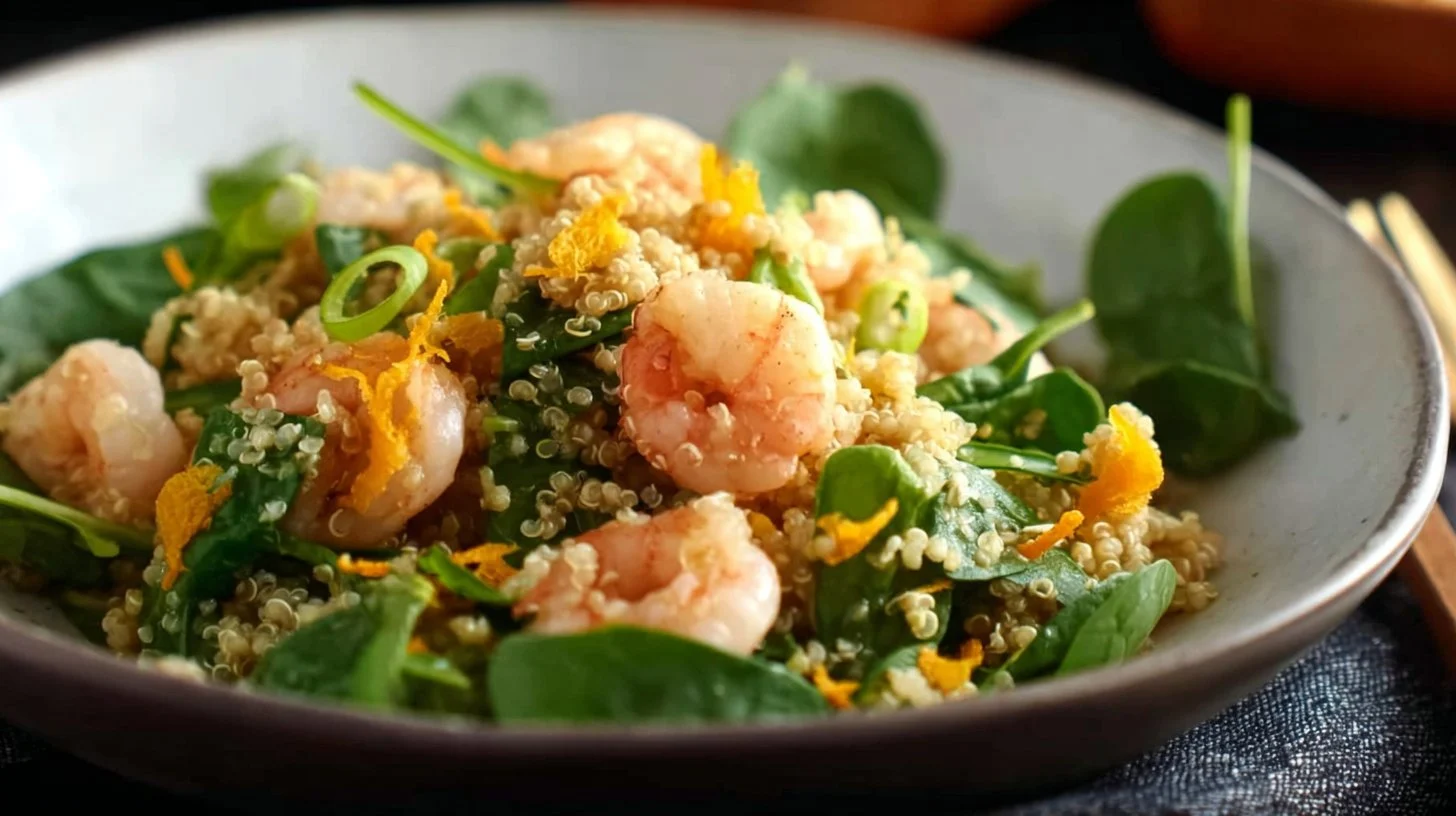
shrimp quinoa salad gives stronger results when you control moisture, layering, and final handling as one connected system. You get cleaner flavor and steadier texture when each stage has a specific checkpoint. This approach keeps outcomes repeatable.
In this asian quinoa salad, your target is clear structure and realistic sensory contrast. You should notice balanced progression from aroma to finish without muddy overlap. That same logic improves quinoa shrimp bowl, orange shrimp salad, and spinach quinoa salad naturally.
Why This Shrimp Quinoa Salad Flavor Structure Works
This method works because you manage base consistency before adding finishing layers. Early control prevents small errors from amplifying during service.
You also get better clarity by handling seasoning in stages instead of one late correction. That produces more accurate flavor balance.
Compared with shortcut versions, this workflow gives practical troubleshooting points and dependable repeat results.
How to Make This Shrimp Quinoa Salad
Prepare core components first so temperature and texture are compatible before combining. This avoids uneven behavior in the finished dish.
Assemble in measured steps and keep pressure controlled during mixing or pressing. Gentle, deliberate handling protects structure.
Finish using physical cues such as browning, surface set, and moisture behavior. These cues guide quality more reliably than assumptions.
Quick Recipe Overview
What you will need: You need the listed ingredients plus a controlled sequence that protects both texture and flavor structure.
How it comes together: You build a stable base, layer supporting elements, then complete a focused finish for serving readiness.
Ingredient Insights for Shrimp Quinoa Salad
Primary base: This determines body and how well flavors are carried through the dish.
Savory support: This adds depth and helps the recipe avoid a flat profile.
Contrast element: This keeps mouthfeel dynamic and prevents one-note texture.
Finishing layer: This sets first-bite impact and visual clarity at service.
Cold Assembly Notes
Pause before finishing and test one bite for structure. If any area feels too dense or too loose, correct in small controlled steps.
Another useful checkpoint is plate behavior. If the result breaks down too quickly, reduce wet load and reinforce the base in the next batch.
Texture & Flavor Experience
Your finished shrimp quinoa salad should show realistic cues: even distribution, defined contrast, and no watery separation.
Aroma should present the lead component first, followed by supporting notes in a clear sequence.
Final mouthfeel should move from outer texture to core softness in a smooth progression without abrupt breakdown.
A practical texture test is how the dish responds to the first cut, lift, or fork pass. Clean movement with minimal collapse indicates stable internal structure.
A practical flavor test is retasting after a short rest. If flavor becomes dull immediately, salt-acid balance usually needs a small correction.
Another useful cue is quinoa behavior after tossing. Grains should stay separated rather than compacting into dense clumps.
You can also check shrimp firmness with a light fork press. The surface should feel resilient without turning rubbery.
During service, watch for liquid pooling at the bowl base. If pooling appears quickly, reduce dressing load and dry watery components more thoroughly.
Why This Recipe Is Better Than Others
This version performs better because it uses staged control points rather than generic broad advice. You can identify causes and fix issues quickly.
It also prioritizes cause-and-effect cooking logic, so each step has a clear purpose tied to final quality.
Most importantly, this method is built for repeatable real-kitchen use, not one-time luck.
Many quick versions lose structure after a short hold because everything is dressed at once. This version preserves ingredient identity and texture contrast longer.
You also get clean adjustment paths. If one element drifts, you can correct that one element without rebuilding the entire bowl.
Ingredients
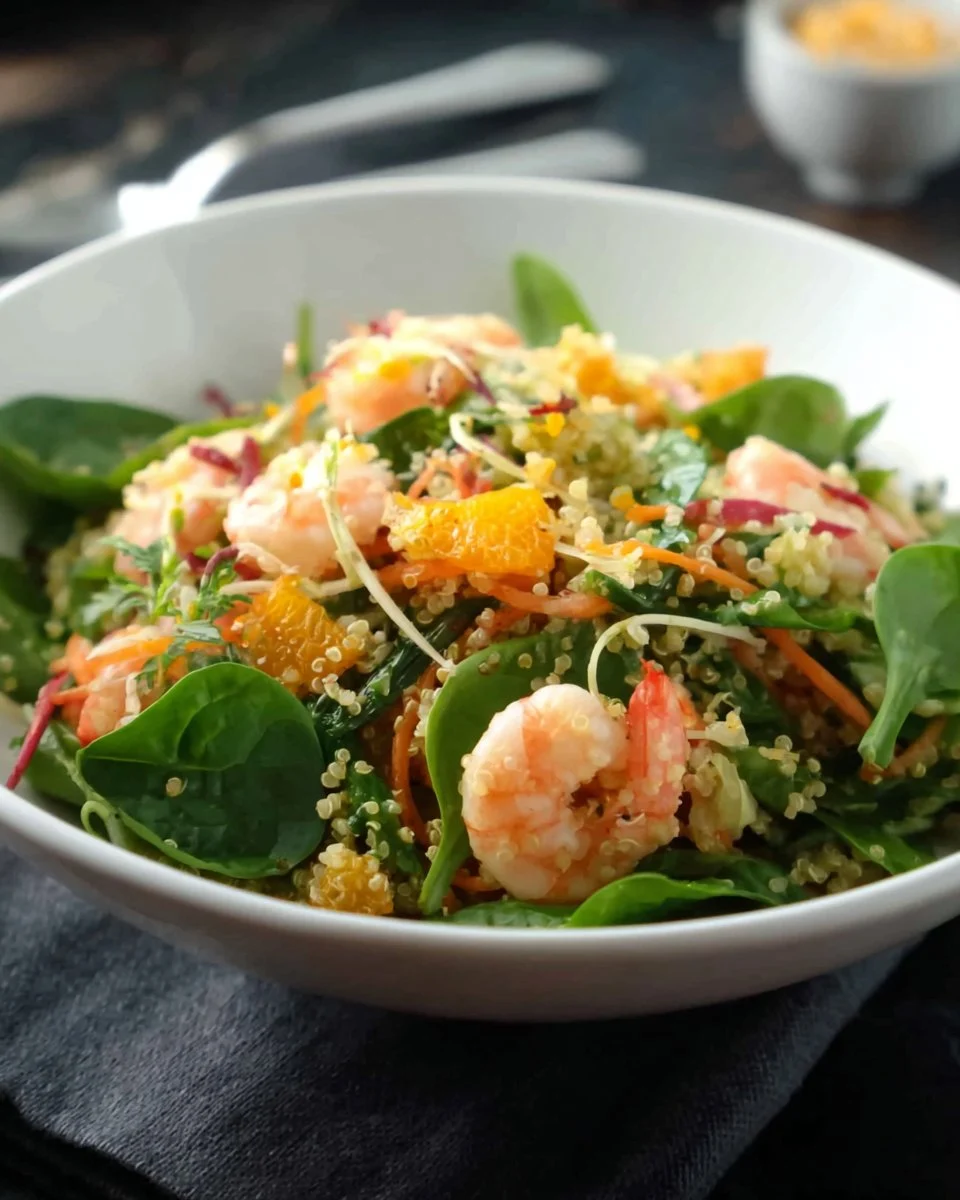
- 1 cup cooked quinoa
- 8 to 10 cooked shrimp
- A few handfuls of baby spinach
- Scallions, chopped
- 1 orange, cut into sections
- Orange zest
- Julienne vegetables (e.g., prepackaged broccoli slaw)
- Asian dressing
Directions
- Mix everything up.
- Enjoy!
How to Serve Shrimp Quinoa Salad
Serve in a format that protects structure and highlights contrast. For a natural internal pairing, add shrimp and feta orzo in your related recipe flow.
For broader context, you can reference quinoa basics while keeping your final plating reader-focused and practical.
Variation
Vary one support element at a time so the core structure remains stable and predictable.
A second variation path is texture-focused by adjusting one finish element while keeping the main method unchanged.
Tips to Make Shrimp Quinoa Salad
- Keep your base texture consistent before final assembly.
- Season in small steps and retaste after each adjustment.
- Use even portioning to avoid random texture differences.
- Protect contrast by limiting excess moisture in late stages.
- Use visual cues such as browning, gloss, and set surfaces.
- Keep serving format simple so texture remains clear.
- Store components in a way that preserves structure.
Common Mistakes to Avoid
Symptom: Uneven texture across servings. Cause: Inconsistent mixing or layering. Fix: Standardize portioning and distribution.
Symptom: Flat flavor. Cause: Late heavy seasoning correction. Fix: Adjust seasoning in small steps throughout assembly.
Symptom: Structural collapse at serving. Cause: Excess moisture in final stage. Fix: Reduce wet components and reinforce base texture.
Symptom: Dull finish. Cause: Final step rushed before set cues. Fix: Complete finish only after visible set and color cues appear.
Storing Tips
Store shrimp quinoa salad in an airtight container in the refrigerator for up to 2 days for best texture.
Keep dressing separate if preparing ahead, then toss before serving to protect leafy texture.
Do not freeze this salad because shrimp and fresh vegetables lose their best structure after thawing.
FAQs
How do you improve consistency in shrimp quinoa salad?
Track one texture cue and one flavor cue from each batch, then adjust one variable at a time.
What is the first correction when texture feels off?
Correct moisture balance first, then revisit seasoning after structure is stable.
Can asian quinoa salad be adapted for different serving styles?
Yes, if core ratios stay stable and only one support element changes at a time.
Why does quinoa shrimp bowl sometimes lose contrast?
Usually from overmixing or overloading wet elements during the final stage.
How do you keep orange shrimp salad naturally balanced?
Use staged seasoning and avoid heavy late corrections that flatten flavor layers.
What helps spinach quinoa salad stay reliable across batches?
Standardize prep order, portioning, and final set checks before serving.
Salad Batch Note
Across repeated batches, the biggest improvement came from tightening one early structural checkpoint before final handling. That change improved both texture stability and flavor clarity in every test. The practical tip is to verify this checkpoint before moving forward, even when the recipe feels simple. The structural reason is that stable early conditions reduce cumulative errors in later stages.
Conclusion
shrimp quinoa salad becomes consistently reliable when you connect staged prep, structural checks, and serving logic in one flow. This creates better sensory clarity and easier troubleshooting. With these controls, you get practical repeatable results for everyday cooking and shared tables.
Keep one final checkpoint before serving: taste for brightness and inspect grain separation. That short check protects both flavor clarity and texture quality in every bowl.
Shrimp Quinoa Salad
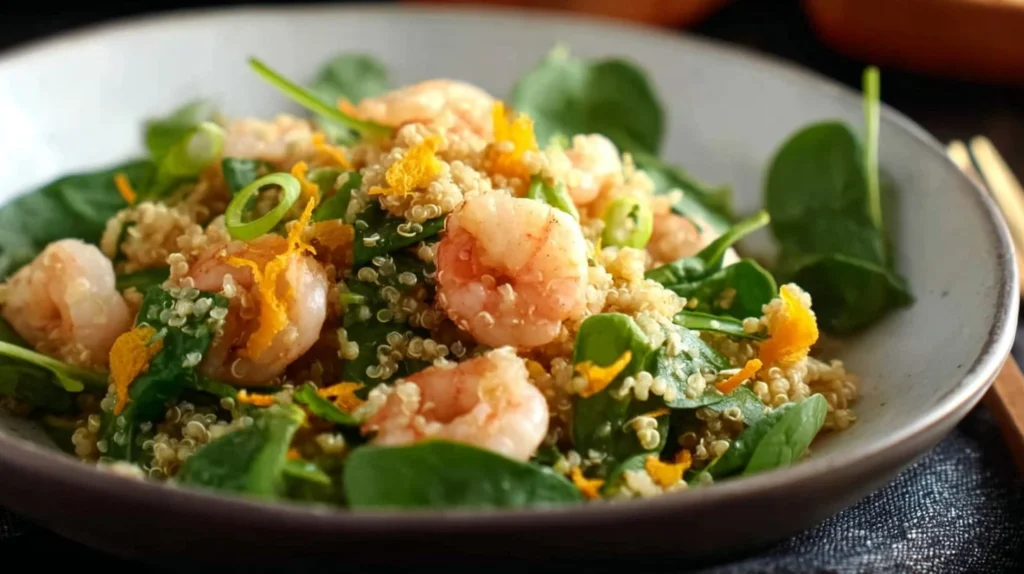
A well-structured shrimp quinoa salad featuring controlled moisture and layering for balanced flavor and texture.
Ingredients
Method
Preparation
- Cook quinoa according to package instructions and let cool.
- Prepare the shrimp by cooking until they are opaque and set them aside.
Assembly
- In a large bowl, combine the cooked quinoa, shrimp, baby spinach, chopped scallions, orange sections, and julienne vegetables.
- Add orange zest and drizzle with Asian dressing.
- Toss gently to mix, avoiding excessive pressure to maintain structure.
Serving
- Serve immediately, ensuring that each portion has a balanced distribution of ingredients.
- Taste and adjust seasoning if necessary, checking for brightness.
Notes
Avoid overloading wet components during the final stage. Store dressing separately if preparing in advance to maintain leafy texture. Do not freeze the salad as shrimp and fresh vegetables may lose their structure.