
Everyday Cooking Made Simple


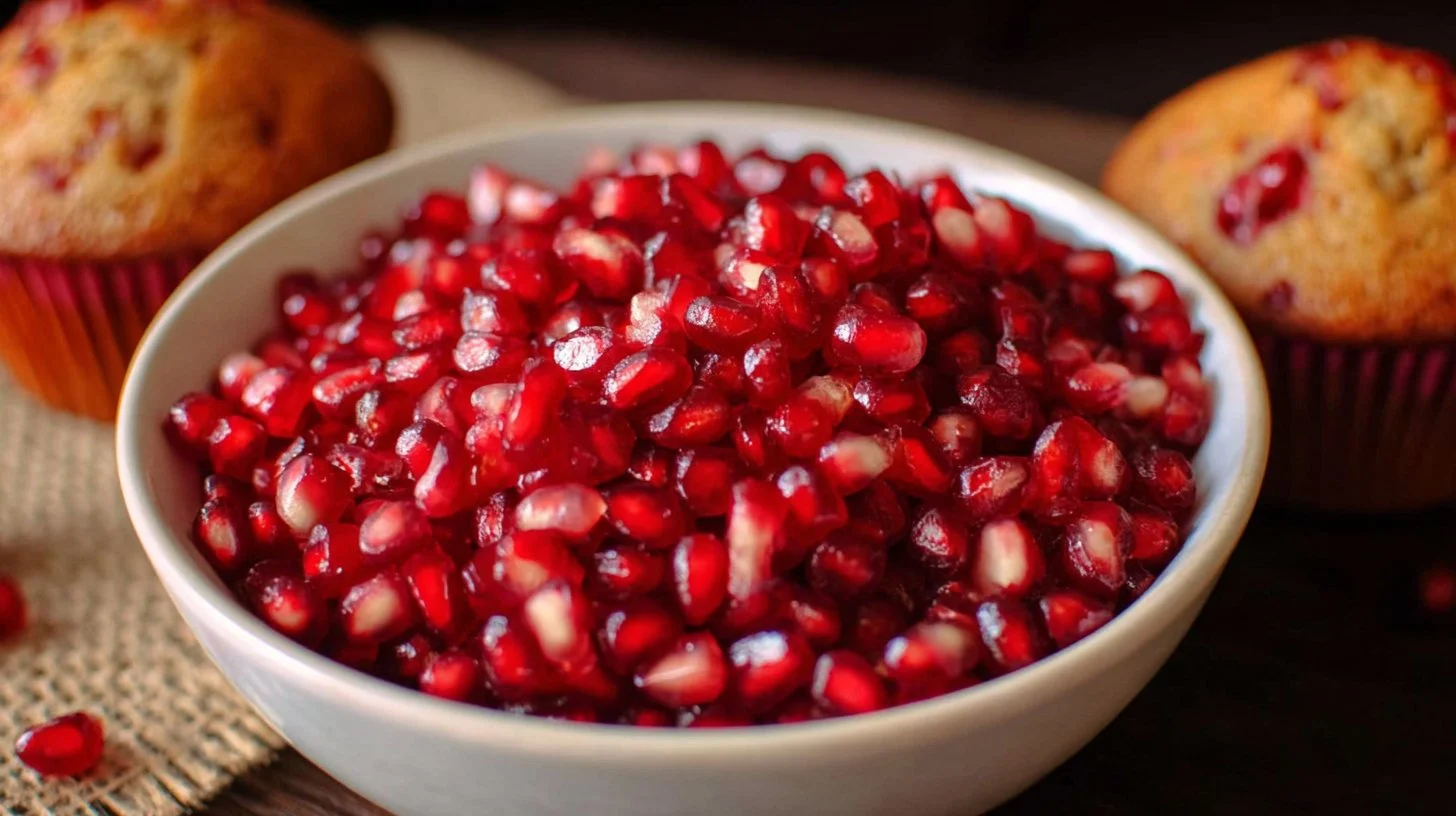
pomegranate orange muffins gives stronger results when preparation, texture control, and finishing are treated as one connected workflow. You get more reliable outcomes when each stage has a clear physical checkpoint. This makes repeated batches easier to calibrate.
In this citrus muffin recipe, your target is realistic contrast and clear flavor progression. You should notice how orange muffin crumb, fruit breakfast muffins, and bakery style muffins appear naturally when sequencing is correct. This is what supports consistency.
What Makes This Pomegranate Orange Muffins Stand Out
This approach works because you stabilize the base before the final stage. Early corrections prevent larger late-stage defects.
You also control moisture and seasoning in layers, which creates a cleaner flavor structure and better service behavior.
Compared with shortcuts, this method gives clear troubleshooting points with practical cause-and-effect logic.
How to Make This Pomegranate Orange Muffins
Prepare all core elements so texture and temperature are compatible before combination. This reduces uneven set and inconsistent bite.
Assemble in measured stages and avoid aggressive handling that collapses structure. Controlled movement protects contrast.
Finish using visual and structural cues such as set surfaces, even coating, and stable moisture behavior.
Quick Recipe Overview
What you’ll need: You need the listed ingredients and a staged workflow that protects structure through serving.
How it comes together: You build a stable base, add support layers, and complete a controlled final stage for clean results.
Ingredient Insights for Pomegranate Orange Muffins
Rolled oats: You soak oats first so they hold moisture in the crumb and prevent a dry center after baking.
Apple or orange juice: You add fruit acidity and light sweetness in the base, which supports a brighter flavor profile.
Boiling water: You hydrate oats quickly and soften their texture, so they blend into the batter instead of feeling coarse.
Applesauce or butter: Applesauce gives a softer moist crumb, while butter gives richer flavor and a slightly tighter structure.
Eggs: You get structure and binding, which helps suspend pomegranate seeds without sinking or uneven pockets.
All-purpose flour with baking powder and baking soda: This combination controls lift and crumb formation, so muffins rise with a stable dome.
Brown sugar and white sugar: Brown sugar adds moisture depth, while white sugar keeps sweetness clean and balanced.
Nutmeg, vanilla, orange zest, and pomegranate seeds: You layer warm spice, aromatic citrus oils, and juicy bursts for a clear flavor contrast in each bite.
Batch Notes for Better Muffin Structure
A practical checkpoint is a small pre-serve taste and structure test. If one component dominates, correct only that component first.
A second checkpoint is plate behavior. If breakdown appears quickly, reduce wet load and strengthen the base flow on the next run.
Texture & Flavor Experience
Your finished pomegranate orange muffins should show clear structure, visible contrast, and no abrupt collapse during serving.
Aroma should present lead notes first, followed by supporting notes in a balanced sequence.
Mouthfeel should move smoothly from outer texture to core softness without muddy overlap.
A strong texture cue is how the first cut, spoon, or fork pass behaves. Clean movement usually signals stable internal structure.
A strong flavor cue is retasting after a short rest. If the profile dulls quickly, small balance correction is usually needed.
Why This Recipe Is Better Than Others
This version emphasizes operational control, not filler language. You can see which step caused each outcome and fix it quickly.
It also includes practical recovery logic that works in real kitchens with varied equipment and batch sizes.
Most importantly, it is tuned for repeatable quality, not one-off results.
Ingredients
- 1 cup rolled oats
- 1/2 cup apple/orange juice
- 1/2 cup boiling water
- 1/2 cup applesauce (or butter)
- 1/2 cup packed brown sugar
- 1/3 cup white sugar
- 2 eggs, lightly beaten
- 1 cup all-purpose flour
- 1 teaspoon baking powder
- 1 teaspoon baking soda
- 3/4 teaspoon salt
- 1/4 teaspoon ground nutmeg
- 1 teaspoon vanilla extract
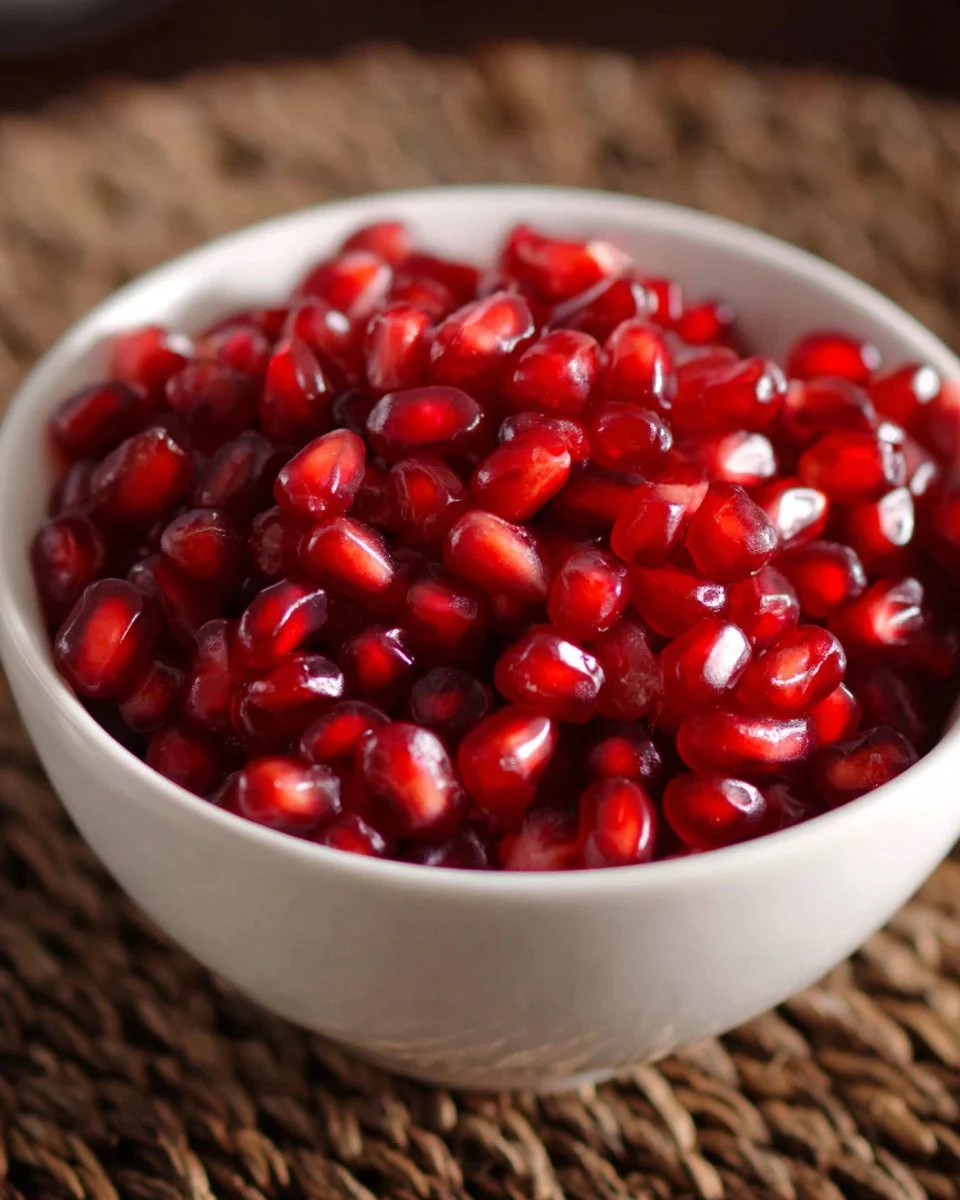
- 1 pomegranate (seeds only)
- 1-2 tablespoons orange zest
Directions
- Preheat oven to 350 degrees F. Grease muffin pans.
- In a small bowl, soak oats in orange juice and boiling water for 15 minutes.
- In a large bowl, cream together butter, vanilla, and sugars.
- Beat in eggs and oat mixture.
- In a separate bowl, blend flour, baking powder, baking soda, salt, and nutmeg.
- Stir into batter.
- Stir in pomegranate seeds and orange zest.
- Spoon batter into prepared muffin pans, filling almost to the top.
- Bake at 350 degrees F (175 degrees C) until golden brown, about 20 minutes.
How to Serve Pomegranate Orange Muffins
Serve in a format that protects structure and keeps contrast visible. For a natural internal pairing, add strawberry breakfast cakes in your related recipes.
For broader context, this resource on muffin basics can support your technique decisions.
Variation
Change one support element while keeping the core workflow unchanged, so structure remains predictable.
For a second variation path, adjust one finish element to shift texture or aroma without altering the base ratio.
Tips to Make Pomegranate Orange Muffins
- Use consistent portioning for predictable texture across servings.
- Build flavor in small staged adjustments instead of one late correction.
- Track visual cues such as browning, gloss, or structure set before finishing.
- Keep moisture-heavy elements controlled in the final stage.
- Use clean serving tools to protect structure on the plate.
- Retaste after a short rest and apply only one correction at a time.
- Store components in a way that preserves contrast and freshness.
Common Mistakes to Avoid
Symptom: Uneven texture. Cause: Inconsistent staging. Fix: Standardize prep order and portions.
Symptom: Flat flavor. Cause: Late heavy correction. Fix: Season gradually across stages.
Symptom: Structural collapse at service. Cause: Excess moisture late in the process. Fix: Reduce wet additions and reinforce base handling.
Symptom: Dull finish. Cause: Final stage rushed. Fix: Wait for clear set cues before serving.
Storing Tips
Store pomegranate orange muffins in an airtight container at room temperature for up to 2 days.
Refrigerate for up to 5 days for extended freshness, then serve near room temperature for better texture.
Freeze sealed portions for up to 2 months and thaw covered before serving or reheating.
FAQs
Can pomegranate orange muffins be prepared ahead?
Yes, if structure-sensitive finishing steps are kept close to serving time.
How do you improve citrus muffin recipe consistency?
Use staged prep and adjust one variable at a time.
What helps orange muffin crumb stay natural in texture?
Control moisture and avoid overmixing or overloading.
How should you handle fruit breakfast muffins in storage?
Store in a way that protects the primary texture of the dish.
What supports bakery style muffins repeatability?
Use the same prep order and final quality checks each batch.
What is the fastest pre-serve quality check?
Check structure first, then aroma, then final flavor balance.
Baker’s Batch Insight
In repeated muffin batches, you get a cleaner dome when soaked oats are fully hydrated before the flour mix is folded in. One early issue was uneven rise caused by dry oat pockets that kept absorbing moisture during baking. A practical fix is to stir the oat mixture until it looks uniformly swollen before combining with leaveners. This works because hydration consistency reduces local density differences across the batter.
Conclusion
pomegranate orange muffins becomes more dependable when staged prep, texture checks, and final handling are aligned in one clear workflow. This produces cleaner flavor and stronger service behavior across batches.
A final short quality pass before plating helps catch small drifts and keeps results consistent.
Pomegranate Orange Muffins
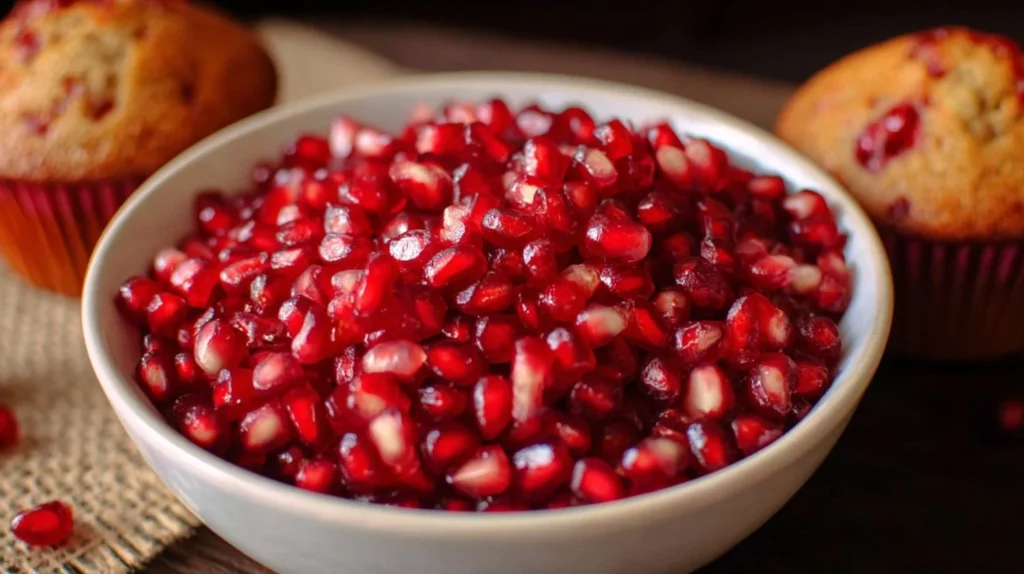
These Pomegranate Orange Muffins ensure a flavorful breakfast experience with a stable structure and clear flavor progression, achieved through careful preparation and layering.
Ingredients
Method
Preparation
- Preheat oven to 350 degrees F (175 degrees C). Grease muffin pans.
- In a small bowl, soak oats in orange juice and boiling water for 15 minutes.
Mixing
- In a large bowl, cream together the applesauce (or butter), vanilla extract, and sugars.
- Beat in eggs and the soaked oat mixture.
Combining
- In a separate bowl, blend the all-purpose flour, baking powder, baking soda, salt, and nutmeg.
- Stir the dry ingredients into the wet batter until just combined.
- Fold in the pomegranate seeds and orange zest.
Baking
- Spoon batter into the prepared muffin pans, filling almost to the top.
- Bake in the preheated oven for about 20 minutes, or until golden brown.
Notes
Store muffins in an airtight container at room temperature for up to 2 days, refrigerate for up to 5 days, or freeze sealed portions for up to 2 months.