
Everyday Cooking Made Simple


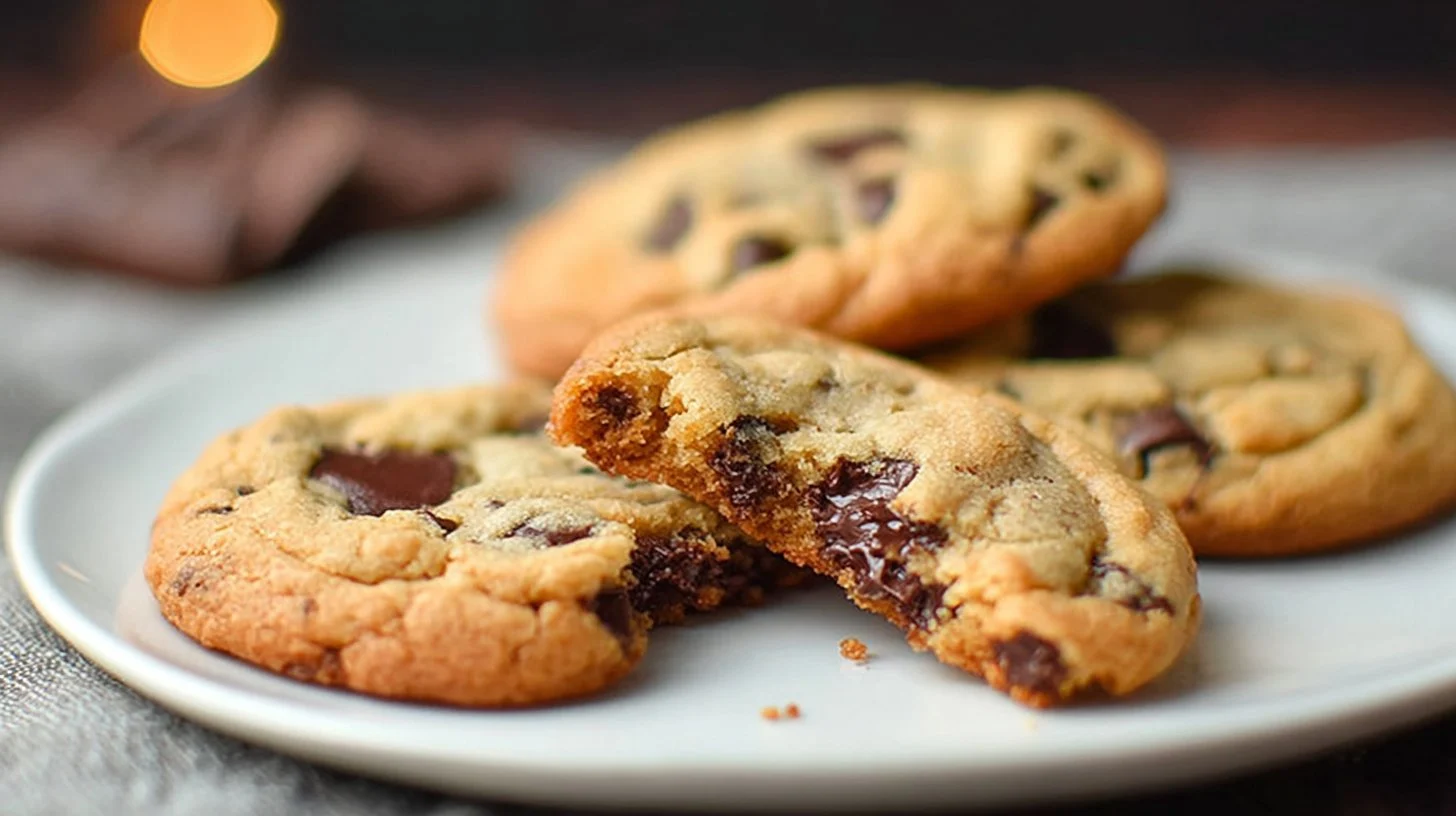
New York Times Chocolate Chip is a precise approach to the classic cookie that relies on flour balance and a long dough rest for texture. You get crisp edges and a tender center with noticeable chocolate pockets.
This recipe is often searched because it produces consistent results for home bakers and fits everyday occasions. If you want a deeper, skillet-style version, try deep-dish chocolate chip cookies in ramekins for a different presentation.
Why Make This Recipe
This method is straightforward and uses common pantry ingredients. The use of both cake and bread flour adjusts the protein content for a tender crumb and good structure. The process includes a long refrigeration step, which improves flavor and controls spread.
Time commitment is moderate because the dough must rest, but active work is minimal. The recipe fits casual baking, gifts, or a weekend treat where you can split work across days. You can scale batches or freeze dough for future baking.
How to Make New York Times Chocolate Chip Cookies
The approach focuses on combining creaming, a short mixing of dry ingredients, and a long chill. Creaming air into the butter and sugars creates lift, while the short mixing once the flour is added prevents gluten overdevelopment. Chilling solidifies fats and lets flavors meld, which reduces spread and deepens taste.
The method works because cake flour lowers protein while bread flour adds strength; together they create a cookie that browns at the edges but stays soft inside. The large chocolate pieces remain distinct when folded in gently.
Ingredients
- 2 cups minus 2 tablespoons cake flour
- 1 2/3 cups bread flour
- 1 1/4 teaspoons baking soda
- 1 1/2 teaspoons baking powder
- 1 1/2 teaspoons coarse salt
- 2 1/2 sticks unsalted butter
- 1 1/4 cups light brown sugar
- 1 cup plus 2 tablespoons granulated sugar
- 2 large eggs
- 2 teaspoons pure vanilla extract
- 1 1/4 pounds bittersweet chocolate disks (at least 60 percent cacao content)
- Sea salt (optional)
Directions
- Sift flours, baking soda, baking powder, and salt into a bowl and set aside.
- In a mixer fitted with a paddle attachment, cream butter and sugars together until very light, about 5 minutes.
- Add eggs one at a time, mixing well after each addition. Stir in the vanilla.
- Reduce speed to low, add dry ingredients and mix until just combined, about 5 to 10 seconds.
- Add chocolate pieces and incorporate without breaking them.
- Press plastic wrap against dough and refrigerate for 24 to 36 hours.
- Preheat oven to 350 degrees.
- Line a baking sheet with parchment paper.
- Scoop 6 mounds of dough onto baking sheet, ensuring any chocolate pieces poking up are turned horizontally. Sprinkle lightly with sea salt.
- Bake until golden brown but still soft, 18 to 20 minutes.
- Transfer to a wire rack for 10 minutes, then cool on another rack.
- Repeat with remaining dough.
How to Serve New York Times Chocolate Chip Cookies
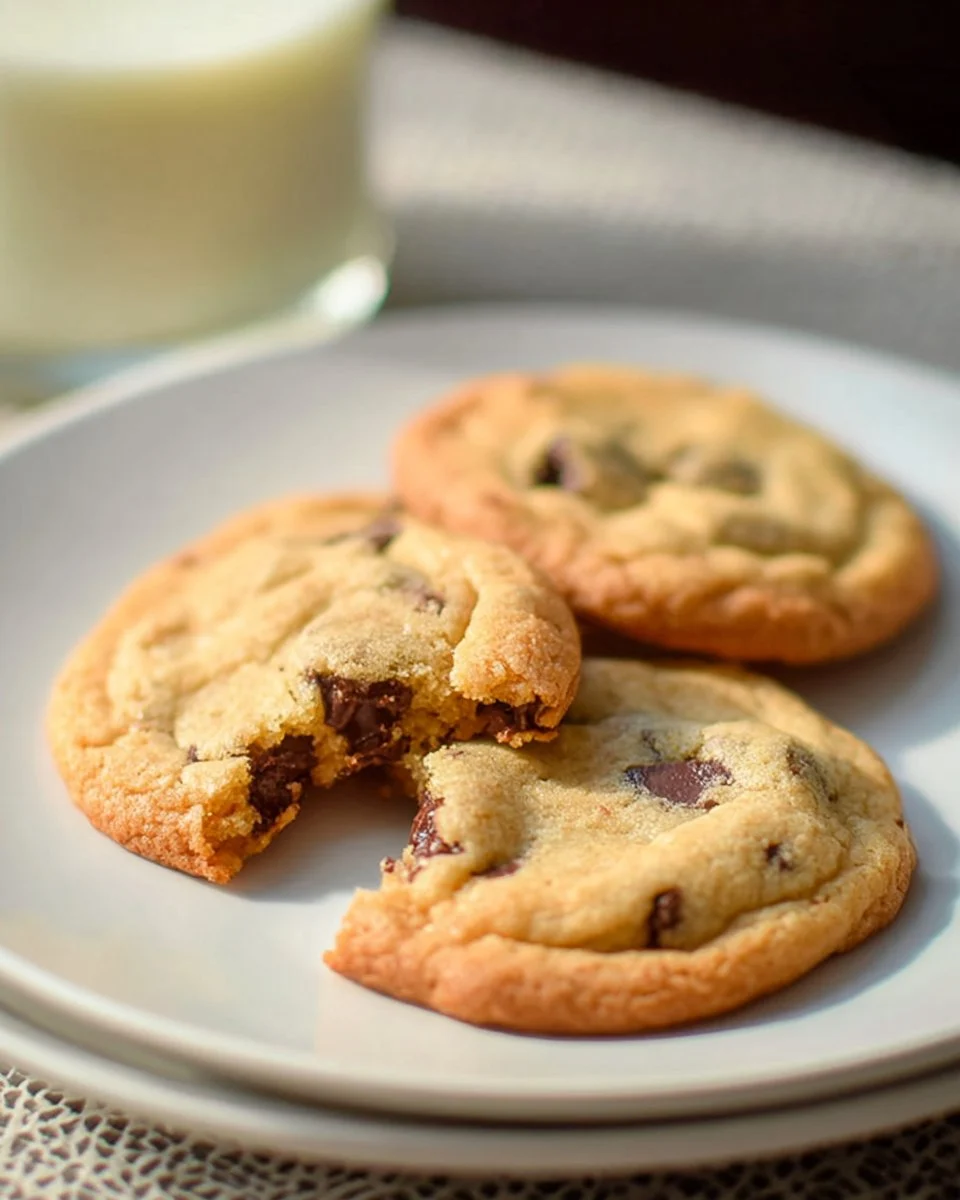
Serve warm or at room temperature. A single cookie is satisfying with a cold glass of milk or a cup of coffee. For a dessert plate, add a scoop of vanilla ice cream and a drizzle of caramel.
You can also serve with fresh berries to cut richness, or place cookies in a shallow bowl with hot chocolate for dunking. Lightly dust with cocoa or additional sea salt for contrast.
How to Store New York Times Chocolate Chip Cookies
At room temperature, store cookies in an airtight container for up to 4 days. To keep cookies soft, place a slice of bread in the container; it will help retain moisture. Refrigeration can dry cookies, so only refrigerate if you need to extend life by a few days.
For longer storage, freeze baked cookies in a single layer on a tray, then transfer to a sealed bag for up to 3 months. Freeze unbaked scooped dough for up to 3 months; bake from frozen adding a minute or two to the bake time.
Tips to Make New York Times Chocolate Chip Cookies
Follow these tips to get the intended texture and flavor.
- Use the specified combination of cake flour and bread flour to balance tenderness and chew.
- Measure flours by weight or spoon and level; overpacking alters texture.
- Cream butter and sugars until very light to incorporate air for lift.
- Mix dry ingredients into the wet only until just combined to avoid toughness.
- Fold in the bittersweet chocolate disks gently to keep pieces intact.
- Press plastic wrap against the dough and refrigerate; refrigerate dough 24 to 36 hours improves flavor and controls spread.
- Turn any exposed chocolate pieces horizontally before baking for even melting.
- Sprinkle lightly with sea salt right before baking to highlight chocolate.
Common Mistakes to Avoid
Overmixing after you add the dry ingredients is common and makes cookies dense. Mix only until the flour is incorporated. Skipping the refrigeration step leads to flat, thin cookies; chilling firms the butter and allows flavors to develop. Finally, using the wrong flour ratio or not measuring properly will change the cookie balance—follow the ingredient list closely.
Variations
You can swap some of the bittersweet chocolate disks for milk chocolate or chopped nuts for texture. For a chewier result, increase brown sugar slightly and shorten bake time by a minute or two. For smaller cookies, reduce scoop size and cut bake time accordingly.
FAQs
How long should I chill the dough?
Chill the dough for 24 to 36 hours for best flavor and controlled spread.
Can I use only all-purpose flour instead of cake and bread flour?
You can, but the texture will differ; the original relies on the cake flour and bread flour balance.
What size should the chocolate pieces be?
Use roughly tablespoon-sized disks or chop a bar into large chunks to create pockets of chocolate.
Do I need to rotate the baking sheet?
Rotate if your oven has hot spots; otherwise, bake until the edges are golden and centers still look soft.
Can I freeze the dough?
Yes, freeze scooped dough on a tray then transfer to a sealed bag for up to 3 months.
Is sea salt necessary?
Sea salt is optional but recommended; it enhances the chocolate flavor when you sprinkle lightly with sea salt.
Conclusion
For the original source and step-by-step reference, see NYT Cooking’s chocolate chip cookie recipe which inspired this guide.