
Everyday Cooking Made Simple


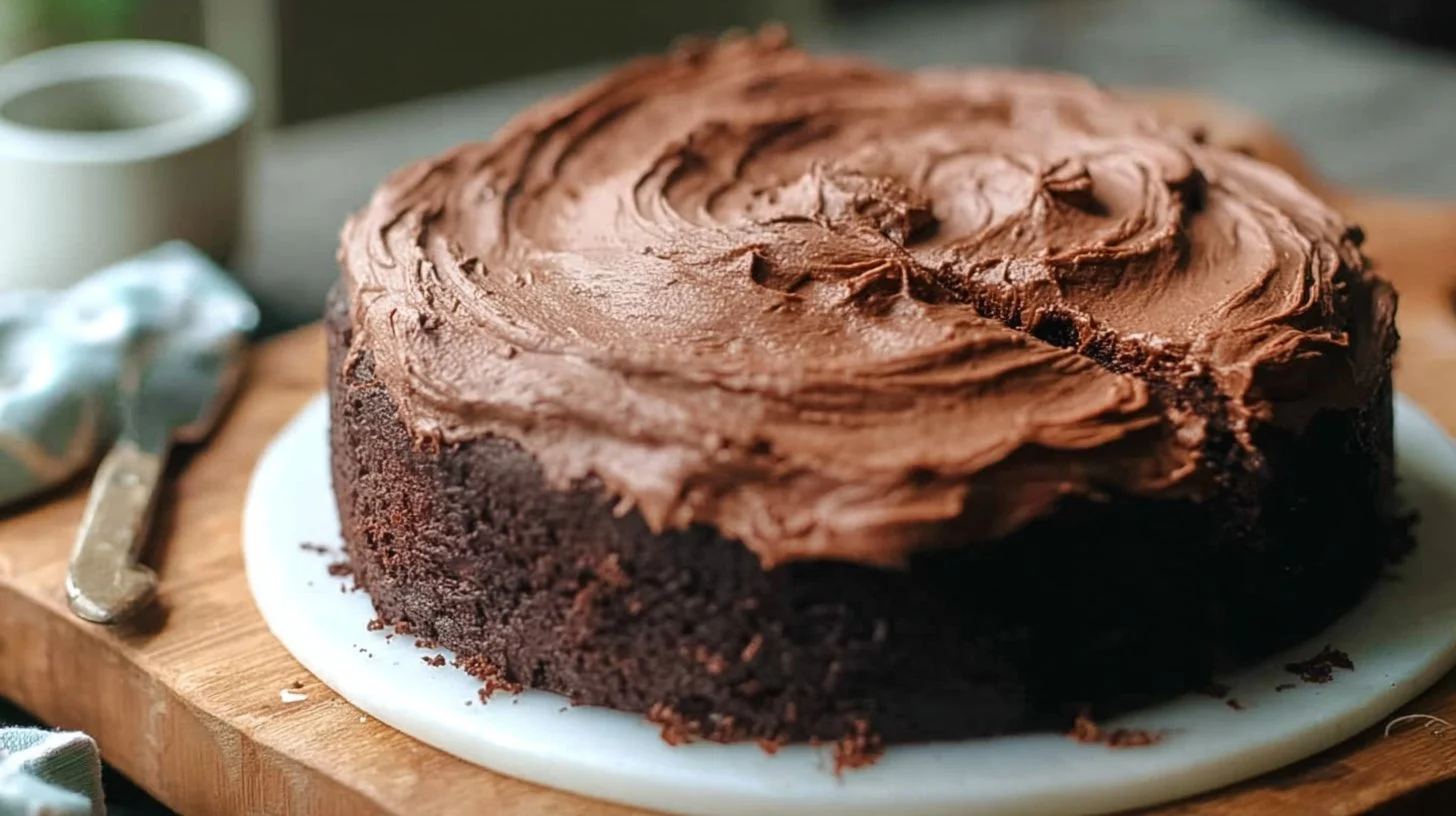
double chocolate cake with buttercream frosting gives your dessert table both deep cocoa flavor and reliable slice structure. You get the best result when batter flow, pan fill, and frosting texture are managed as one system. That approach keeps layers moist while still easy to stack and cut.
Your process does not need complicated gear. It needs consistent measuring, careful mixing, and clear visual cues from batter to finish. Once you lock those cues in, this cake becomes repeatable for birthdays, gatherings, and planned make-ahead bakes.
Why This Double Chocolate Cake Works
Your flavor depth comes from cocoa plus hot liquid. That combination helps dissolve cocoa solids and spreads chocolate notes through the crumb instead of leaving flat pockets.
Your structure comes from balanced dry and wet ratios. Eggs and flour build framework, while buttermilk and melted butter keep the crumb tender enough for clean bites.
Your finish quality depends on frosting behavior. Smooth cocoa buttercream frosting should hold shape without cracking when spread across cooled layers.
How to Make This Double Chocolate Cake with Buttercream Frosting
Your dry ingredients must be whisked evenly before liquids enter. Uneven dry blending can create dense streaks and unpredictable rise across pans.
Your mixing stage should build a smooth batter without overworking flour. Overmixing can tighten texture and reduce the soft, fine crumb expected in chocolate cake from scratch.
Your frosting stage starts only after layers cool fully. Warm cake softens buttercream and causes sliding, making stable cake layers harder to achieve.
Quick Recipe Overview
What you’ll need: You need cocoa, flour, sugar, leaveners, eggs, buttermilk, butter, vanilla, and hot coffee or boiling water. For frosting, you need butter, cocoa, milk, and powdered sugar for a spreadable, light finish.
How it comes together: You mix dry and wet components, combine into fluid batter, bake in equal pans, cool thoroughly, then frost in controlled layers. Final texture depends on even batter distribution and proper cooling before assembly.
Ingredient Insights for Double Chocolate Cake with Buttercream Frosting
Cocoa: Cocoa defines color and depth. Sifting or whisking it well prevents bitter clumps in both cake and frosting.
Buttermilk: It softens crumb and supports even rise. It also balances cocoa intensity so flavor stays rounded.
Hot liquid: Coffee in chocolate cake intensifies cocoa perception. Boiling water works too, but flavor is usually softer and less complex.
Buttercream components: Butter provides body, cocoa provides flavor, and sugar controls structure. Milk adjusts movement and spreadability at the end.
Mixing and Pan Notes
Your pans should be the same size and filled evenly so layers finish at similar height. Uneven fill creates trimming waste and can dry thin layers.
If batter looks slightly thin, that is expected in this formula. Thin batter can still produce moist crumb as long as leavening and pan balance are correct.
When scraping bowls, include bottom corners where dry flour often hides. Small dry pockets become weak crumb spots after baking.
Texture & Flavor Experience
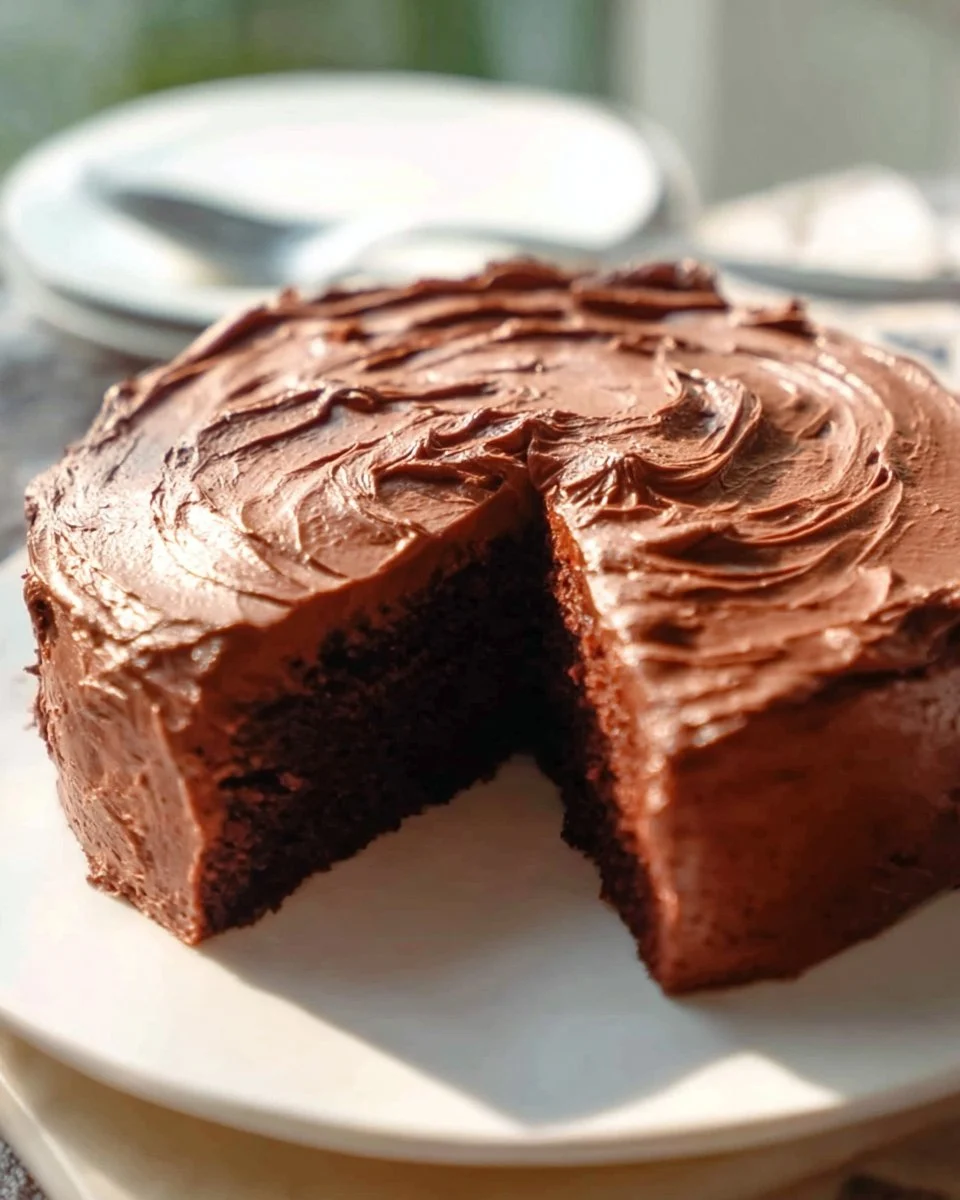
Your baked layers should feel springy with a fine, moist crumb when cut. The surface should be even, not cracked deeply or gummy in the center.
Your frosting should glide and hold soft ridges from a spatula. If it looks grainy, butter temperature or mixing pace likely needs correction.
Final flavor should open with cocoa aroma first, then creamy sweetness from frosting. If sweetness dominates, increase cocoa intensity in the next batch rather than adding random toppings.
Why This Recipe Is Better Than Others
You get better balance than many one-bowl shortcuts because this method protects both flavor extraction and crumb structure. That means richer chocolate without sacrificing slice quality.
You also get clearer control over frosting consistency. Stepwise cocoa and sugar addition avoids sudden texture collapse that often happens in rushed frosting methods.
Compared with formulas that skip hot liquid, this cake usually delivers a more developed cocoa profile and softer bite with less dryness at the edges.
Ingredients
- 2 cups sugar
- 1 3/4 cups flour
- 3/4 cup cocoa
- 1 1/2 teaspoon baking powder
- 1 1/2 teaspoon baking soda
- 1 teaspoon salt
- 2 eggs
- 1 cup buttermilk
- 1/2 cup butter, melted
- 1 tablespoon vanilla extract
- 1 cup hot coffee (or 1 cup boiling water)
- 2 sticks (1 cup) butter, room temperature
- 1 cup unsweetened cocoa powder
- 1/2 cup milk
- 2 to 3 cups of powdered sugar
Directions
- Preheat oven to 350 degrees. Grease three round baking pans and set aside.
- In a large bowl, stir together sugar, flour, cocoa, baking powder, baking soda, and salt.
- Add eggs, buttermilk, melted butter, and vanilla extract; beat 2 minutes on medium speed.
- Stir in hot coffee.
- Pour batter evenly between the three pans and bake on the middle rack of the oven for 30 to 35 minutes, until a toothpick inserted in the center comes out clean.
- Cool completely on wire racks before frosting.
- To make the frosting, whip the room temperature butter on medium speed.
- Shift to low and add cocoa powder slowly, one spoonful at a time, until fully incorporated.
- Still on low, add in the powdered sugar, alternating with the milk, to achieve the desired consistency and taste.
- Beat on medium speed until very light and fluffy, about 3 to 5 minutes. Add more sugar if the consistency is too thin.
How to Serve Double Chocolate Cake with Buttercream Frosting
Your cleanest presentation comes from slicing with a long serrated knife wiped between cuts. That keeps frosting edges sharp and prevents crumb drag.
You can pair a slice with fresh berries or unsweetened whipped cream for contrast. If you want a savory course before dessert, serve this after sausage and red pepper quiche for a balanced table flow.
For reference on classic style differences, review the basic overview of chocolate cake and adapt your serving format.
Variation
Your easiest variation is extract adjustment. Almond or orange extract can shift aroma while keeping base structure intact.
You can add a thin fruit layer between cakes if moisture is controlled. Spread it lightly so it supports flavor without loosening the stack.
If you want darker intensity, add a small espresso pinch to frosting. Keep dosage moderate so cocoa remains dominant.
Tips to Make Double Chocolate Cake with Buttercream Frosting
- Measure flour accurately to prevent a heavy crumb.
- Divide batter evenly for consistent layer height.
- Check center set before removing pans.
- Cool layers fully before frosting assembly.
- Whip butter first until smooth before adding cocoa.
- Add sugar gradually to keep frosting texture stable.
- Chill briefly before final slicing for cleaner edges.
Common Mistakes to Avoid
Symptom: Dense crumb. Cause: Overmixing after flour hydration. Fix: Mix to uniform texture, then stop and scrape down once.
Symptom: Layers slide while frosting. Cause: Cake still warm or frosting too loose. Fix: Cool completely and adjust frosting with sugar in small additions.
Symptom: Flat chocolate flavor. Cause: Weak cocoa bloom. Fix: Keep hot liquid stage and choose fresh cocoa.
If top color deepens faster than center sets, lower rack position and continue baking until the center springs back. That correction protects both flavor and structure.
Storing Tips
You can keep covered cake at room temperature for up to 2 days when your room is cool. For longer holding, refrigerate up to 5 days in a sealed container.
You can freeze individual slices or whole layers for up to 2 months when tightly wrapped. Thaw covered so surface moisture stays controlled.
Before serving chilled cake, let slices sit briefly at room temperature so buttercream softens and flavor opens fully.
FAQs
Why use coffee in chocolate cake batter?
Coffee helps deepen cocoa aroma and supports a fuller chocolate profile without creating a coffee-forward taste.
Can boiling water replace coffee in chocolate cake?
Yes. You still get proper batter hydration, though flavor depth is usually slightly milder.
How do you keep stable cake layers during stacking?
Level layers only if needed, use even frosting thickness, and chill briefly between coats.
Can this chocolate cake from scratch be made ahead?
Yes. Bake layers in advance, wrap well, and frost after thawing or when fully cool.
What causes gritty cocoa buttercream frosting?
Usually cocoa is added too quickly or butter is too cool. Gradual addition and proper butter texture fix this.
How do you keep slices clean at service?
Use a long knife, wipe between cuts, and avoid pressing straight down through soft frosting.
Batch Comparison Note
Across repeated bakes, your most consistent upgrade came from choosing hot coffee over plain boiling water. Crumb texture stayed similar, but cocoa aroma became clearer and more layered in side-by-side tests. The likely reason is flavor extraction from cocoa solids during the hot mixing stage.
Conclusion
Your double chocolate cake with buttercream frosting succeeds when you treat batter, bake, and frosting as connected stages. Careful mixing, even pan division, and controlled frosting texture produce dependable results. With those checkpoints in place, every batch is easier to repeat with confidence.
Double Chocolate Cake with Buttercream Frosting
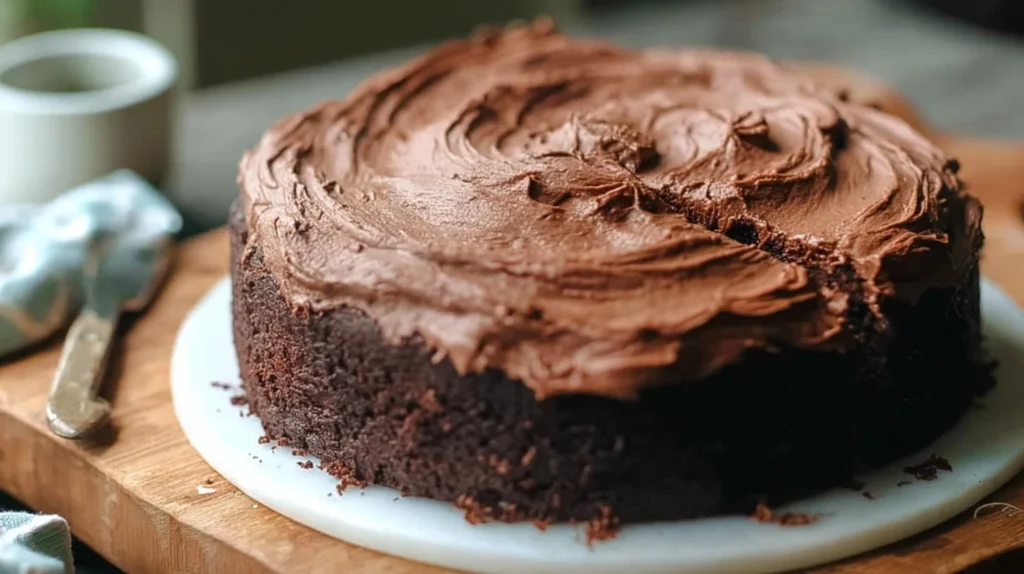
A moist and rich double chocolate cake with smooth buttercream frosting, perfect for celebrations and gatherings.
Ingredients
Method
Preparation
- Preheat oven to 350°F (175°C). Grease three round baking pans and set aside.
- In a large bowl, stir together sugar, flour, cocoa, baking powder, baking soda, and salt.
- Add eggs, buttermilk, melted butter, and vanilla extract; beat 2 minutes on medium speed.
- Stir in hot coffee.
- Pour batter evenly between the three pans and bake for 30 to 35 minutes, until a toothpick inserted in the center comes out clean.
- Cool completely on wire racks before frosting.
Frosting
- Whip the room temperature butter on medium speed until smooth.
- Shift to low and add cocoa powder slowly, one spoonful at a time, until fully incorporated.
- Still on low, add in the powdered sugar, alternating with the milk, to achieve the desired consistency and taste.
- Beat on medium speed until very light and fluffy, about 3 to 5 minutes. Add more sugar if the consistency is too thin.
Notes
For a cleaner presentation, use a long serrated knife wiped between cuts. Pair with fresh berries or unsweetened whipped cream for contrast. Can also be adapted with different extracts or a thin fruit layer between the cakes.