
Everyday Cooking Made Simple


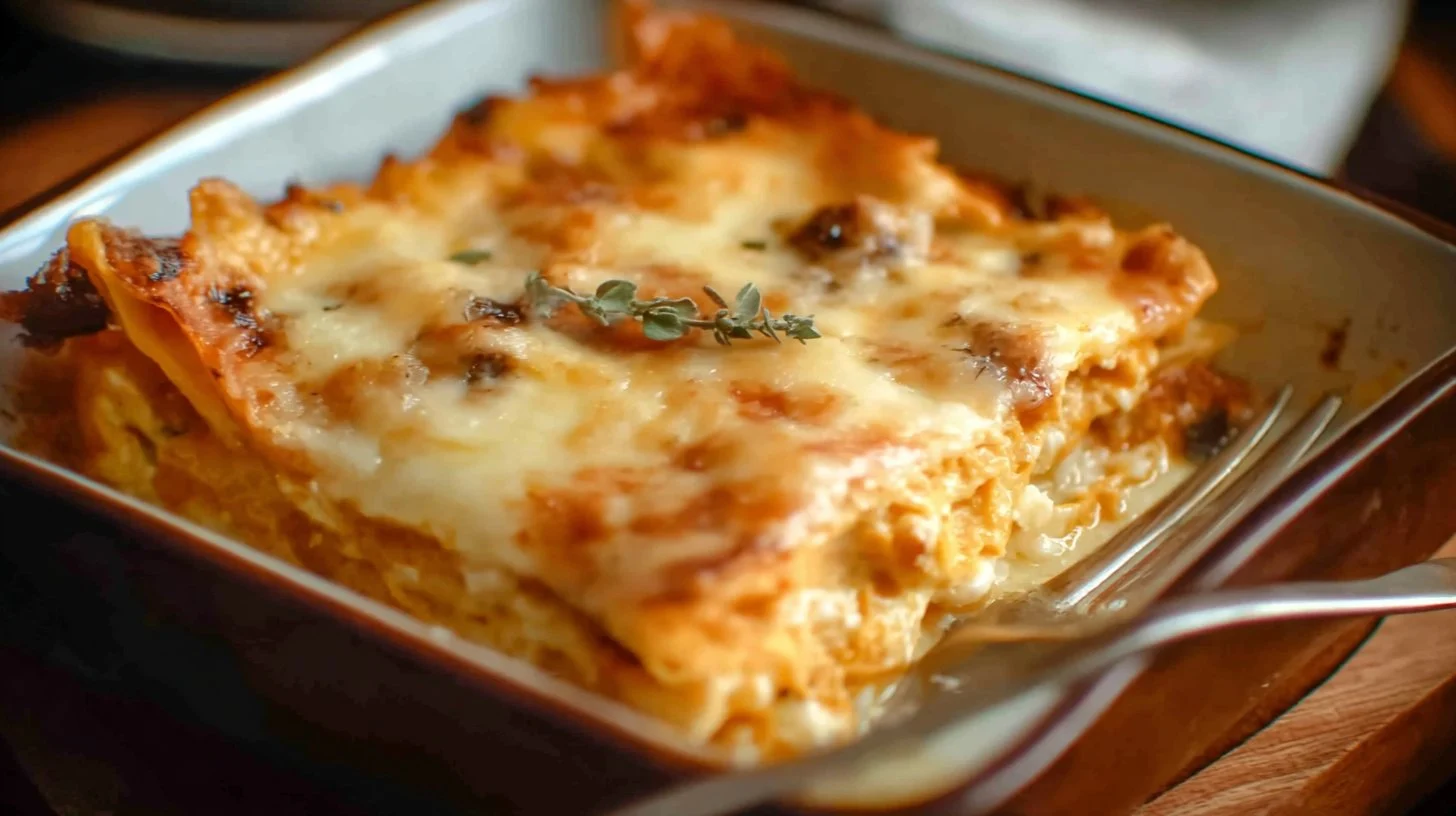
butternut squash lasagna delivers stronger results when you control structure from the first mixing stage to final serving. You get better consistency when each step has a clear purpose and a visible quality cue. This keeps outcomes stable across repeated batches.
In this squash lasagna recipe, your goal is a balanced result that looks clean, tastes focused, and holds texture during service. ricotta lasagna layers should appear naturally in the result instead of feeling forced. That is what makes vegetarian lasagna bake dependable for real kitchen use.
What Makes This Butternut Squash Lasagna Different
This method works because butternut squash puree is treated as a control point rather than a background detail. That decision improves both flavor clarity and final texture behavior.
It also keeps ricotta and parmesan layer aligned with the base so you avoid random weak spots in the final dish. When those two parts are aligned, repeatability improves fast.
Compared with generic shortcuts, this workflow gives you clearer correction points and less guesswork. That is why butternut squash lasagna stays stable from batch to batch.
How to Make This Butternut Squash Lasagna
Prepare your base first and verify consistency before moving to the finishing stages. The base should look uniform and hold the structure expected for this recipe type.
Then build the next layer with controlled handling so ricotta and parmesan layer supports the result instead of overwhelming it. Small adjustments are better than late large corrections.
Finish with final assembly checks focused on whole wheat lasagna noodles. Use browning, surface behavior, and structural cues to decide when the recipe is ready.
Quick Recipe Overview
What you’ll need: You need the listed ingredients, plus a simple workflow that protects texture at each stage. In butternut squash lasagna, each component should have a clear role in structure, moisture control, or finishing contrast.
How it comes together: You build a stable base, add supporting elements in sequence, and finish with a controlled top or serving layer. This preserves structure and keeps flavor progression clear for whole wheat lasagna noodles.
Ingredient Insights for Butternut Squash Lasagna
butternut squash puree: This is the structural anchor for consistency and final mouthfeel.
ricotta and parmesan layer: This defines contrast and helps create the recipe’s signature bite.
whole wheat lasagna noodles: This determines whether your final texture stays clean or breaks down quickly.
Seasoning and finish: Controlled finishing keeps flavors layered and avoids one-note results.
Layer Structure Notes
A practical checkpoint is to pause before the final stage and inspect texture behavior directly. If one part looks too thick or too loose, correct in small steps before continuing.
Another checkpoint is serving stability. If structure shifts too quickly after plating, reduce wet elements and reinforce the supporting base in the next run.
Texture & Flavor Experience
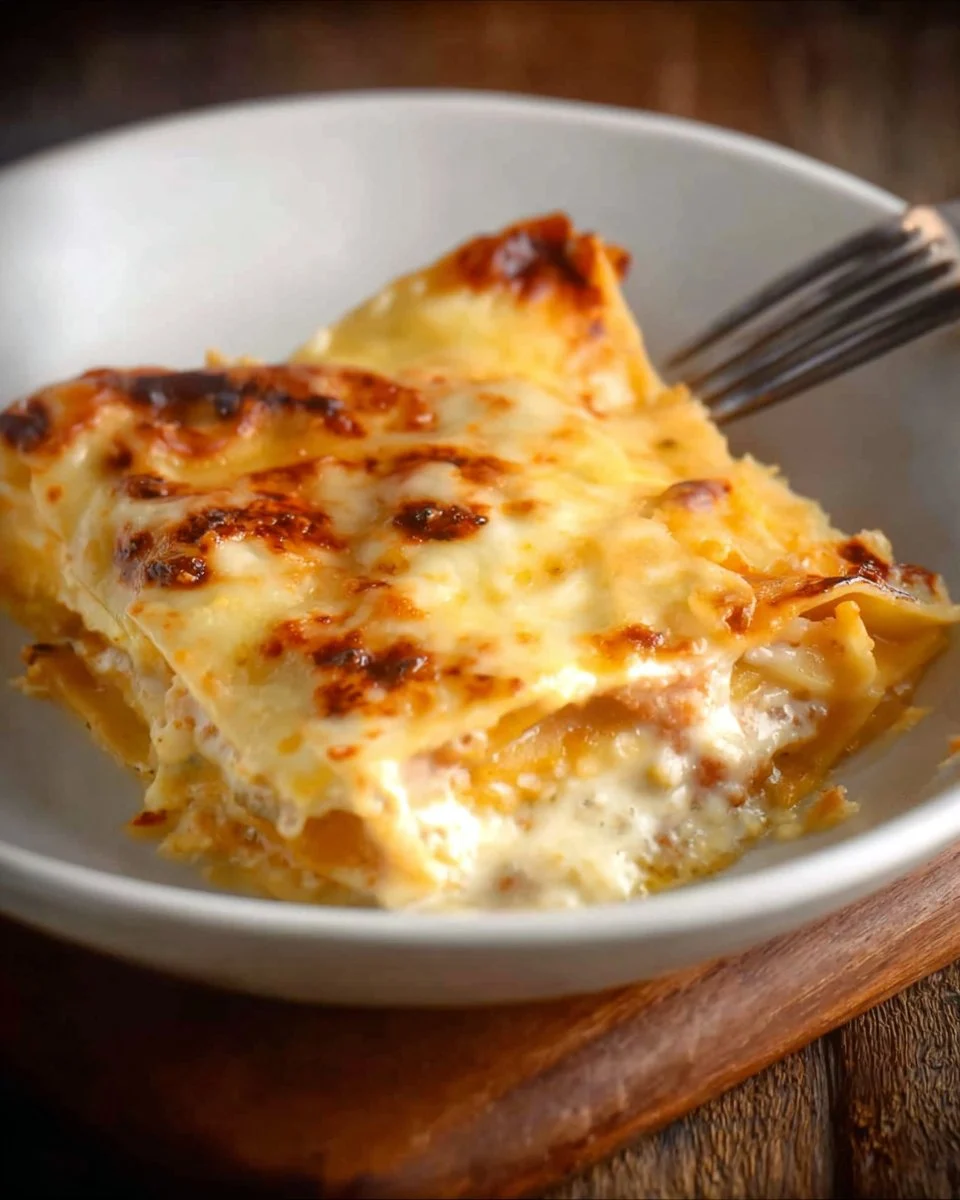
Your finished butternut squash lasagna should show realistic physical cues, including cut into squares with visible layers. These signs confirm that structure and moisture are balanced.
You should also see hold shape on a spatula without collapsing. If this is missing, one stage was either rushed or overworked and should be corrected in the next batch.
Final service quality depends on whether you can show a creamy center that is not watery. This single checkpoint often predicts how satisfying the recipe feels at the table.
Why This Recipe Is Better Than Others
This version is stronger because it separates critical stages instead of collapsing everything into one step. You can identify what changed and why the result improved.
It also includes practical correction paths when texture or flavor drifts. That gives you useful control beyond basic instructions.
Most importantly, butternut squash lasagna here is tuned for repeatable outcomes, not just a one-time successful attempt. This is what creates long-term cooking confidence.
Ingredients
- 4 cups butternut squash puree
- 1 1/2 tablespoons sel de cuisine
- 1 teaspoon minced garlic
- Salt and pepper to taste
- 15 oz. part-skim ricotta cheese
- 1/2 cup grated Parmesan cheese
- 8 short whole wheat lasagna noodles
- Sliced cheese to top pieces (optional)
Directions
- Preheat oven to 400 degrees F.
- Combine squash purée, sel de cuisine, garlic, salt, and pepper; mix well.
- Combine ricotta, 1/4 cup Parmesan, salt, and pepper in a second bowl and mix well.
- Coat an 8×8-inch baking dish with cooking spray.
- Put a little butternut squash on the bottom of the pan.
- Place 2 noodles in the bottom of the dish, overlapping slightly.
- Spread half of the squash mixture over the noodles.
- Layer 2 more noodles on top, and spread with half of the ricotta mixture.
- Repeat layers of noodles, squash, noodles, and ricotta, then sprinkle with the remaining 1/4 cup Parmesan.
- Bake for 45 minutes.
- Top with sliced cheese and bake/broil an additional 5-10 minutes.
- Covering the lasagna while baking might help keep some moisture in.
How to Serve Butternut Squash Lasagna
Serve with a crisp salad or roasted vegetables so creamy layers stay balanced with fresh contrast. For a natural internal pairing, add asparagus quesadilla lasagna in your recipe network.
For broader culinary context, this short reference on lasagna structure is useful. Keep the final presentation focused on texture contrast and clean layering.
Variation
Add cooked greens between layers after removing excess moisture.
Use a light smoked cheese finish for deeper aroma without overpowering squash notes.
Tips to Make Butternut Squash Lasagna
- Keep butternut squash puree controlled before final assembly or baking.
- Treat ricotta and parmesan layer as a texture checkpoint, not a decorative step.
- Use visual cues and structure checks for whole wheat lasagna noodles.
- Measure core ingredients carefully to protect consistency.
- Adjust seasoning in small steps and taste between changes.
- Keep serving format simple so texture contrast stays clear.
- Store components in a way that protects structure and flavor definition.
Common Mistakes to Avoid
Symptom: Watery slices. Cause: Squash puree was too loose. Fix: Reduce puree moisture before assembly.
Symptom: Flat center flavor. Cause: Ricotta layer was underseasoned. Fix: Season ricotta bowl fully before layering.
Symptom: Broken serving lines. Cause: Noodle coverage was uneven. Fix: Overlap noodles slightly and spread gently.
Symptom: Dry corners. Cause: Filling did not reach edges. Fix: Spread each layer fully to all pan sides.
Storing Tips
Store butternut squash lasagna in the refrigerator for up to 4 days in airtight containers or single portions.
Freeze wrapped portions for up to 2 months, then thaw in the refrigerator before reheating.
Reheat covered first, then uncover briefly to refresh top texture while keeping center layers creamy.
FAQs
Can butternut squash lasagna be assembled ahead?
Yes, assemble and refrigerate, then bake when needed.
Why does a squash lasagna recipe turn watery?
Usually from loose puree or wet add-ins that were not drained.
How do ricotta lasagna layers stay smooth?
Spread thinly and avoid heavy pressure on noodles.
Are whole wheat lasagna noodles suitable here?
Yes, they help absorb moisture and support cleaner slices.
How do you improve consistency in butternut squash lasagna across multiple batches?
Track one texture checkpoint and one flavor checkpoint each time, then adjust only one variable per batch for clear cause-and-effect results.
What should you check first if the result feels off?
Check structure before seasoning changes. Most failures start with moisture balance or handling pressure, not missing spices.
Kitchen Layering Note
After repeated test batches, one useful observation was that early-stage control of butternut squash puree prevented most downstream problems. A small correction at that point improved both texture and serving stability immediately. The practical tip is to verify this stage before continuing, even when the recipe seems simple. The structural reason is that later steps cannot fully repair an unstable base.
Conclusion
butternut squash lasagna becomes much more reliable when you treat base structure, finishing control, and serving behavior as one connected system. This approach gives practical improvements in texture, flavor clarity, and repeatability. With these checkpoints, your results stay strong in both daily cooking and planned serving.
Butternut Squash Lasagna
A deliciously creamy and well-structured butternut squash lasagna that's balanced in flavor and texture, perfect for a cozy meal.
Ingredients
Method
Preparation
- Preheat oven to 400 degrees F.
- Combine butternut squash puree, sel de cuisine, garlic, salt, and pepper; mix well.
- Combine ricotta, 1/4 cup Parmesan, salt, and pepper in a bowl and mix well.
- Coat an 8×8-inch baking dish with cooking spray.
- Put a little butternut squash mixture on the bottom of the pan.
Layering
- Place 2 noodles in the bottom of the dish, overlapping slightly.
- Spread half of the squash mixture over the noodles.
- Layer 2 more noodles on top and spread with half of the ricotta mixture.
- Repeat layers of noodles, squash, noodles, and ricotta, then sprinkle with the remaining 1/4 cup Parmesan.
Baking
- Bake for 45 minutes.
- Top with sliced cheese and bake/broil for an additional 5-10 minutes.
Notes
Covering the lasagna while baking might help keep some moisture in. Serve with a crisp salad or roasted vegetables for a complete meal. Consider adding cooked greens or smoked cheese for flavor variations.