
Everyday Cooking Made Simple


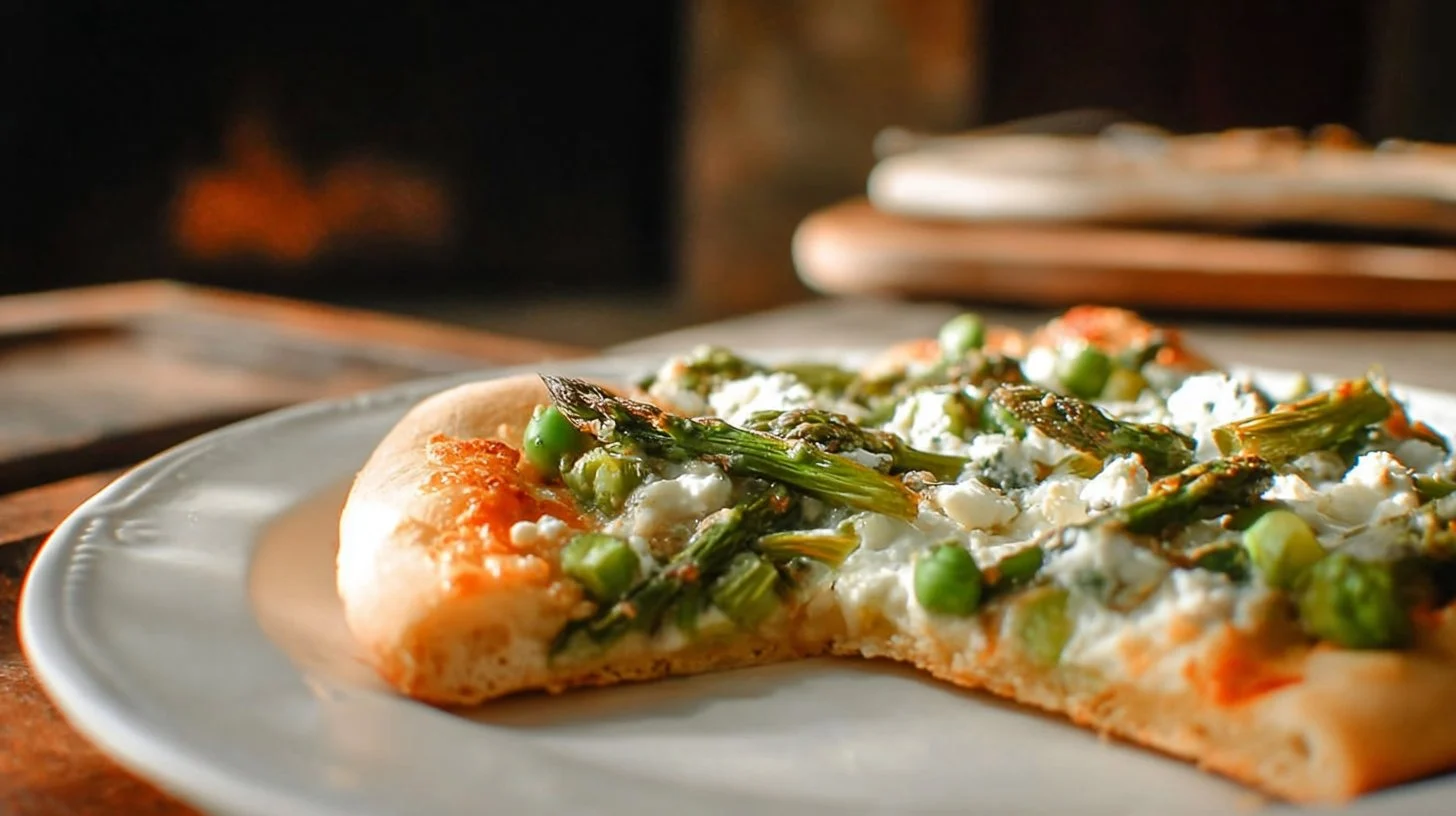
Asparagus, Pea, and Goat Cheese combine bright vegetables and creamy tang on a crisp crust for a spring-forward pizza. This balance of texture and flavor gives you a light main or a sharable appetizer for gatherings.
Many people search for this recipe because it uses seasonal produce and simple cheeses you may already have. It solves the need for a fresh, fast pizza that feels special without a lot of fuss, and it pairs well with a light salad like a smoked almond and goat cheese salad if you want a composed starter.
Why Make This Recipe
This pizza is straightforward to prepare and uses mostly pantry and market staples. You can use store-bought dough or make your dough ahead and let it rise. The active work time is short: a quick saute, a fast assembly, and a 20-minute bake.
It requires simple tools: a skillet, a baking sheet or pizza stone, and a sharp knife for thin slicing. Because toppings cook quickly, the oven time is predictable, so you can plan sides or a light dessert without stress.
This dish suits weeknight dinners, late-spring entertaining, or a weekend pizza night when you want something seasonal and slightly different from the usual pepperoni or margherita.
How to Make Asparagus, Pea, and Goat Cheese Pizza
The approach is to build flavor in stages. You briefly saute the asparagus and peas to soften them and concentrate their sweetness, then use a light base of sauce or olive oil so the delicate toppings stay bright. Sliced provolone melts into a mild layer, and crumbled goat cheese adds creamy tang.
This method keeps the vegetables crisp-tender rather than soggy. A hot oven and a thin crust help the base crisp without overcooking the toppings, preserving texture and color.
Ingredients
- asparagus and pea saute
- pizza sauce (or olive oil)
- provolone cheese
- thinly sliced
- goat cheese
- crumbled
- your favorite pizza crust
Directions
- Make the crust with enough time to let it rise, if necessary.
- Saute the vegetables.
- Roll out pizza dough and top with sauce and/or olive oil, vegetables, provolone slices, and goat cheese.
- Bake for 20 minutes at 400°F.
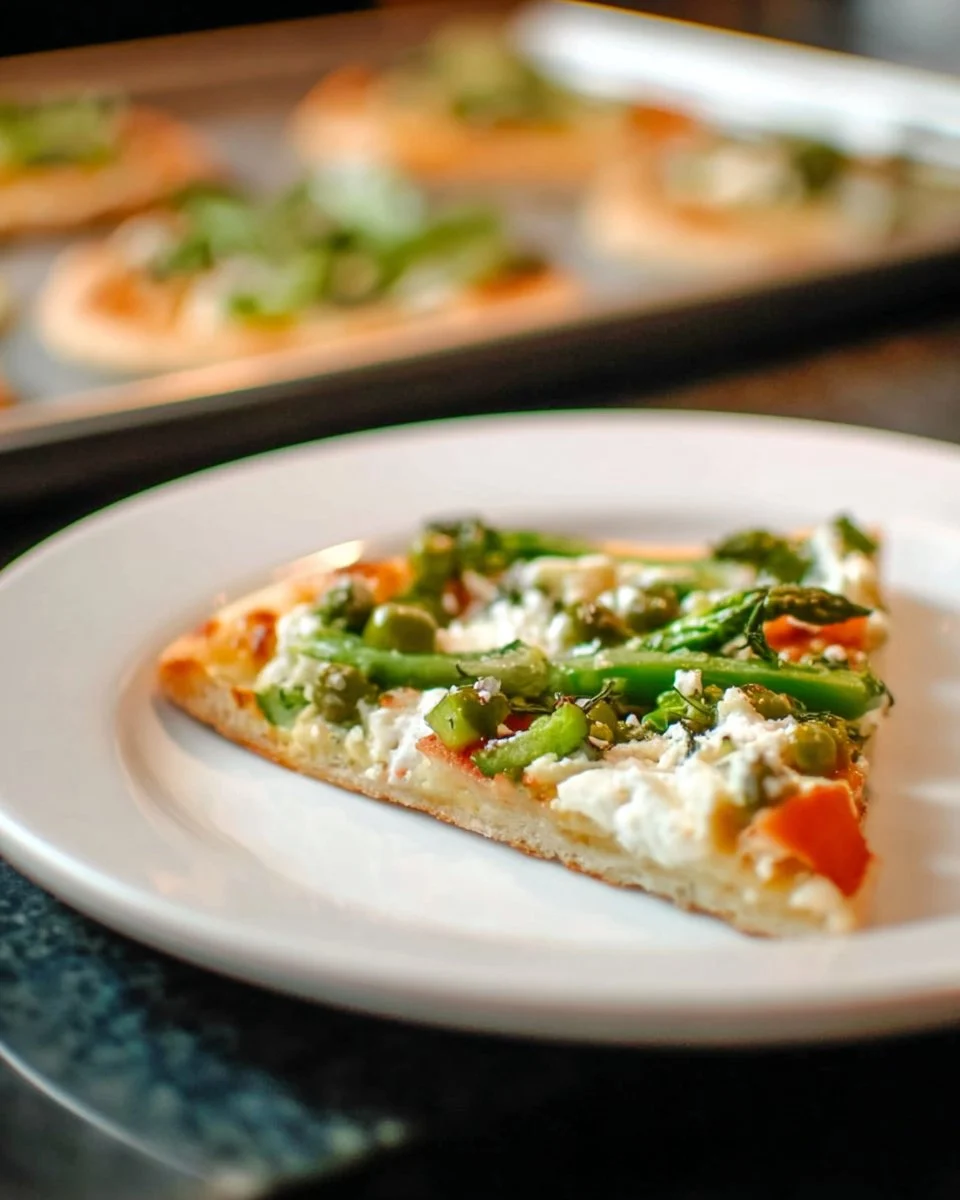
How to Serve Asparagus, Pea, and Goat Cheese Pizza
Serve the pizza warm so the provolone and goat cheese are creamy and the crust stays crisp. Cut into wedges and present on a wood board or large platter for easy sharing.
Pair with light white wines such as a dry Sauvignon Blanc or an unoaked Chardonnay. For non-alcoholic options, try sparkling water with a squeeze of lemon or a chilled iced tea.
Simple garnishes work well: a drizzle of extra virgin olive oil, a few lemon zest shavings, or a scatter of fresh herbs like basil or thyme. Keep garnishes minimal so the asparagus and peas remain the focus.
How to Store Asparagus, Pea, and Goat Cheese Pizza
Cool leftover pizza to room temperature no longer than two hours after baking. Store slices in an airtight container in the refrigerator for up to 3 days.
To reheat, use a skillet over medium heat or an oven at 375°F to revive the crust without melting the goat cheese into a dense mass. For longer storage, freeze individual slices wrapped tightly in plastic and foil for up to 1 month; reheat from frozen in a 375°F oven for 10–15 minutes.
Avoid leaving topped pizza at room temperature for extended periods to prevent sogginess and flavor loss. Keep cheese separated from heavy sauces before freezing when possible.
Tips to Make Asparagus, Pea, and Goat Cheese Pizza
Start with a short intro sentence.
- Use young, thin asparagus for even cooking and easy slicing.
- Blanch peas first if they are very firm, then finish in the saute for bright color.
- Keep provolone cheese thinly sliced so it melts quickly and forms a base under the vegetables.
- Scatter goat cheese crumbled after the vegetables to maintain pockets of creamy tang.
- If using pizza sauce, apply a light layer to avoid sogginess; otherwise brush the crust with olive oil.
- Preheat the oven with a pizza stone or inverted baking sheet to get a crisp bottom crust.
- Roll the dough thin for a crispier finish and shorter baking time.
- Finish with a squeeze of lemon or a sprinkle of flaky salt to brighten the flavors.
Common Mistakes to Avoid
A common error is overloading the pizza with too many wet ingredients, which can make the crust soggy. Avoid this by sauteing the vegetables to remove excess moisture and using a light hand with sauce or oil.
Another mistake is underheating the oven. A cooler oven will leave the crust pale and chewy. Preheat thoroughly and use a hot surface like a stone or heavy sheet to get an even, crisp bake.
Variations
Add thin slices of prosciutto after baking for a salty contrast. Swap provolone for mozzarella for a more familiar, stretchy melt. For extra brightness, finish the pizza with lemon zest and a few arugula leaves just before serving.
FAQs
Can I use frozen peas for this pizza?
Yes. Thaw and drain them, then quickly saute to remove excess moisture before topping the pizza.
Do I need to par-cook the asparagus?
You should briefly saute or blanch the asparagus so it becomes tender but stays crisp; raw asparagus can remain too firm after baking.
Can I make this pizza vegetarian?
Yes. The base recipe is vegetarian. For a vegan version, use dairy-free cheese alternatives and brush the crust with olive oil instead of sauce if needed.
What crust works best?
A thin, hand-stretched or store-bought thin crust works best to balance the delicate toppings and ensure a crisp texture.
How do I prevent goat cheese from burning?
Scatter goat cheese crumbled in small pieces and avoid placing it directly over very hot edges; it softens rather than burns when placed over the vegetables and melted provolone.
Is it better to use sauce or olive oil as a base?
Either works. Use pizza sauce for more tomato flavor or pizza sauce (or olive oil) sparingly to keep the vegetable flavors forward.
Conclusion
For a reliable reference and a version close to this approach, see the original Asparagus, Pea, & Goat Cheese Pizza recipe at Pinch of Yum which offers clear photos and notes to guide timing and assembly.