
Everyday Cooking Made Simple


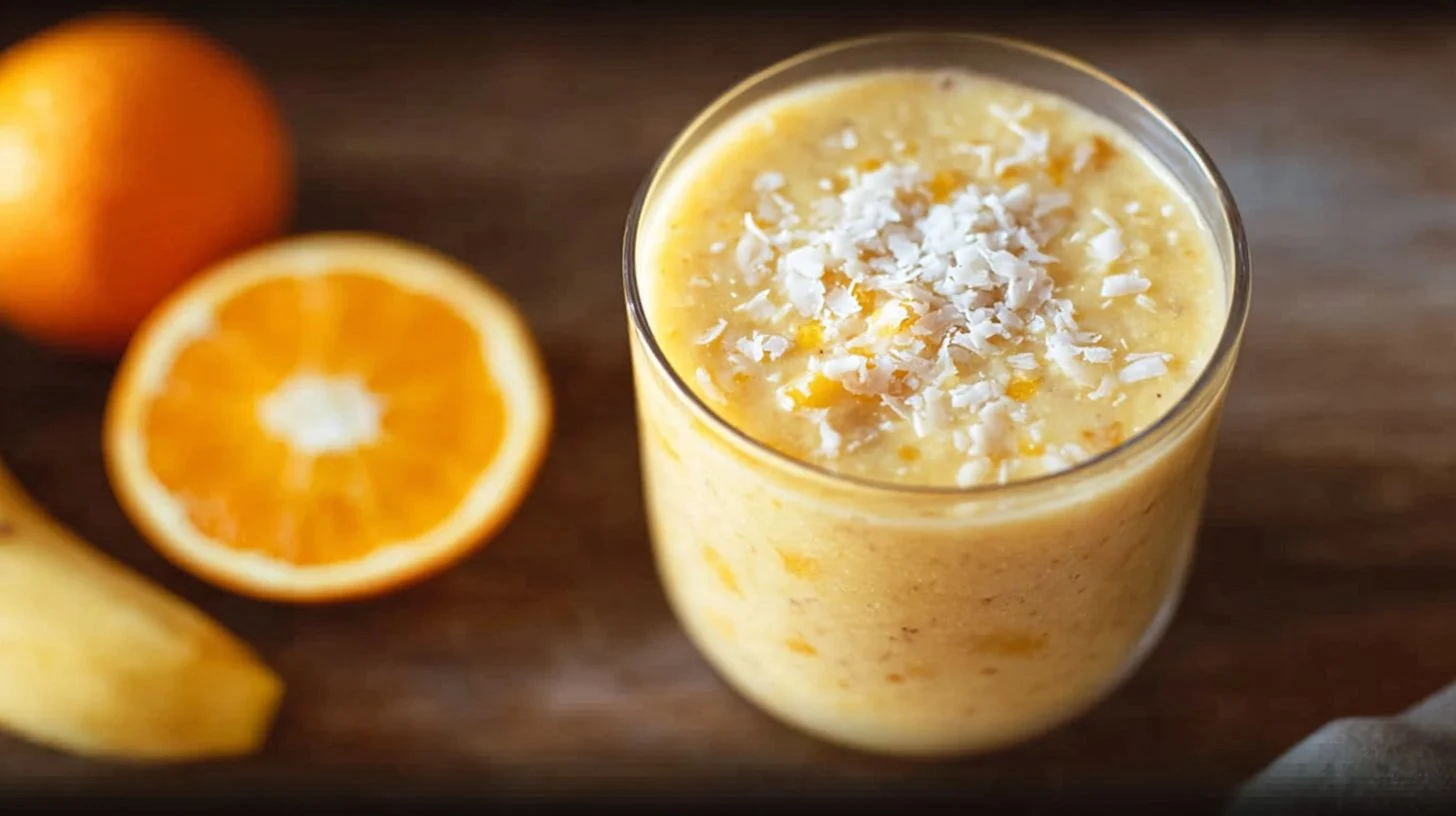
tropical fruit smoothie gives you a bright fruit profile with creamy texture and smooth finish when your ingredient order and texture checks are handled carefully from start to finish. You get cleaner, more repeatable results when each stage is treated as a controlled step rather than a rushed mix.
Your main target is balance between flavor strength and serving structure. A successful batch should taste clear, look clean, and hold the texture you expect on the first serving and the last serving. Once these checkpoints are consistent, this recipe becomes dependable for regular use.
Why This Tropical Fruit Smoothie Flavor Blend Works
This method works because core ingredients are combined in a sequence that supports both flavor clarity and final texture. Small handling choices at each stage decide whether the final result feels polished or uneven.
You also gain flexibility for serving style. The same base can support a creamy tropical smoothie finish or a slightly different presentation without losing structure.
Compared with less structured versions, this approach gives stronger control over consistency and helps your pineapple orange smoothie outcome stay stable across batches.
How to Make This Tropical Fruit Smoothie
Begin with clean ingredient prep so the combining stage stays smooth and controlled. Pre-measured components reduce overmixing and improve texture consistency.
Build the base first, then add sensitive ingredients at the moment they can keep their intended structure. This keeps the final mix from collapsing or separating.
Finish with visual and texture checks before serving. That final pass is where your banana fruit smoothie and quick blender smoothie qualities are either confirmed or corrected.
Quick Recipe Overview
What you’ll need: You need the listed base ingredients, the core flavor elements, and the final finishing component that defines the recipe style. Each part has a clear structural role in the final result.
How it comes together: You prepare the base, combine in stages, and apply a controlled final finish. This sequence keeps flavor integrated and texture stable from mixing to serving.
Ingredient Insights for Tropical Fruit Smoothie
Primary base: This determines body, serving shape, and how the final mixture carries flavor.
Flavor driver: This gives the recipe its recognizable identity and should remain clear in every bite or sip.
Texture contrast element: This prevents a flat result and creates a more dynamic eating experience.
Finishing component: This locks in balance and presentation at the final stage.
Blender Balance Notes
Keep mixing force controlled at the final stage. Excess agitation can flatten texture and reduce contrast between components.
If one section looks denser or thinner than expected, correct with a small adjustment before full serving. Small corrections are more effective than large late changes.
Texture & Flavor Experience
Your finished tropical fruit smoothie should show clear structure, even distribution, and a stable serving texture. The aroma should present the lead ingredient first, then supporting notes.
Flavor should unfold in layers rather than one blunt note. Balanced seasoning and correct final handling are what keep that layered effect intact.
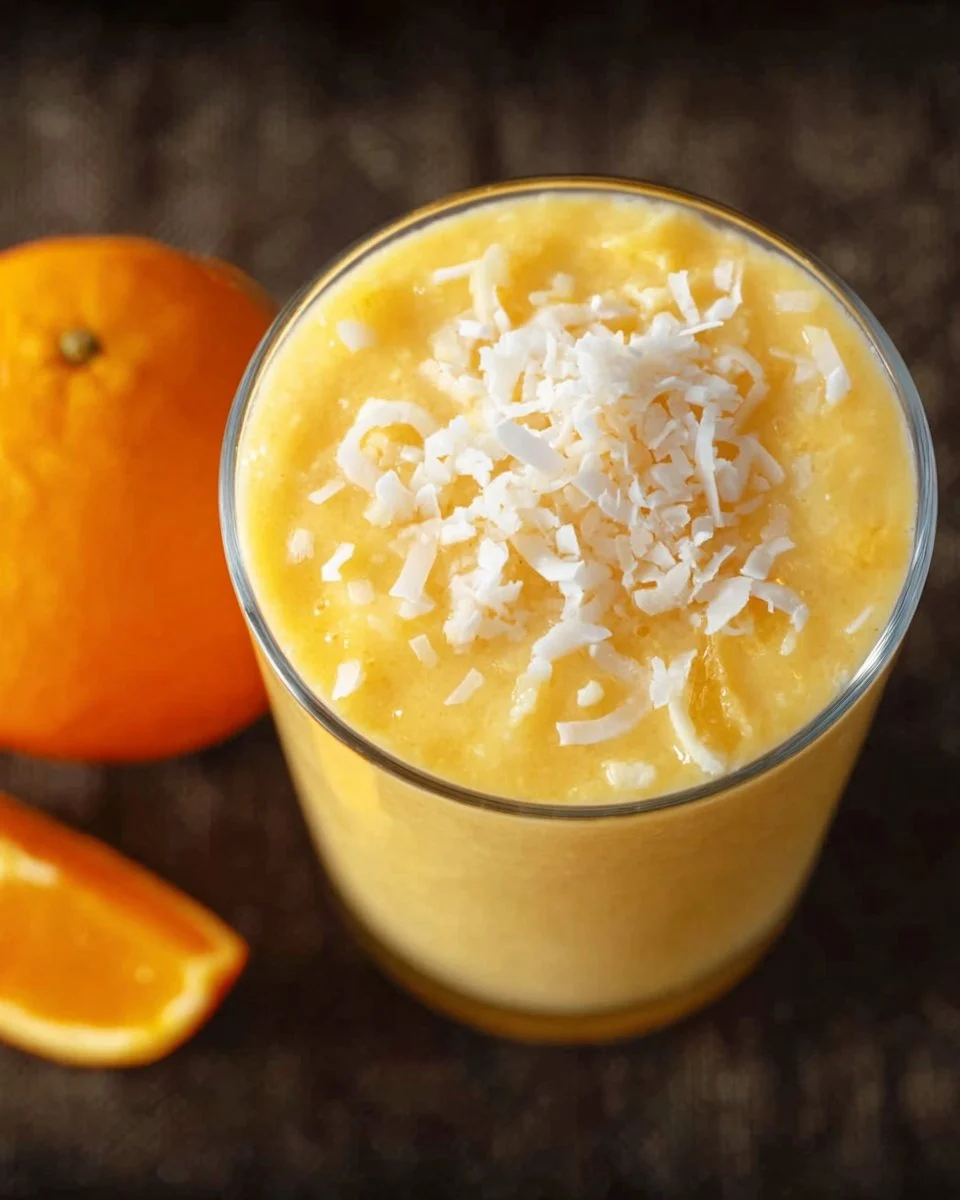
A good visual cue is a surface that looks glossy and uniform with no watery band around the edges. If separation appears quickly, blend briefly again and re-check thickness before serving so the texture stays cohesive.
Another useful checkpoint is how the smoothie moves in the glass after pouring. It should flow smoothly without heavy clumps or thin runoff, which tells you fruit ratio and liquid ratio are in balance. When this movement looks consistent, topping additions like coconut or zest sit better and the final drink keeps its intended body through service.
Why This Recipe Is Better Than Others
You get better consistency than many shortcut methods because the workflow protects structure before final finishing. This improves both presentation and repeatability.
You also get clearer flavor alignment through staged combining instead of one-step mixing. That gives more control when adjusting seasoning and final texture.
Compared with typical versions, this tropical fruit smoothie method produces stronger results in batch cooking, serving, and storage quality.
Ingredients
- 2 oranges
- 1 banana
- 1/3 cup pineapple (fresh or canned)
- 1/4 cup yogurt
- 1/3 cup milk (coconut milk recommended)
Directions
- Blend all ingredients until smooth.
- Sprinkle with coconut and/or orange zest before serving.
How to Serve Tropical Fruit Smoothie
Serve in a way that preserves texture and highlights contrast. Keep the finishing touch light so the main profile remains clear.
For a natural internal pairing on your site, serve this with coconut oatmeal. For broader context, you can check smoothie basics.
Variation
You can vary one supporting ingredient while keeping the base method unchanged. This preserves structure and keeps the recipe recognizable.
A second variation path is texture-focused by adjusting one finishing element. Keep this controlled so overall balance remains stable.
Tips to Make Tropical Fruit Smoothie
- Prepare and measure everything before mixing.
- Keep base texture controlled before final additions.
- Use gentle folding when structure needs protection.
- Correct flavor in small steps and retaste.
- Standardize portioning for even serving.
- Keep final garnish aligned with core flavor.
- Store leftovers in sealed containers promptly.
Common Mistakes to Avoid
Symptom: Texture breaks or flattens. Cause: Overmixing or poor staging. Fix: Return to staged combining and gentler handling.
Symptom: Flavor feels uneven. Cause: Late heavy seasoning corrections. Fix: Adjust gradually and integrate between each step.
Symptom: Serving looks inconsistent. Cause: Uneven portioning or finishing. Fix: Use consistent scoop, pour, or plate format.
If one area looks wetter than the rest, redistribute gently before adding extra thickener or liquid.
Storing Tips
Pour leftover tropical fruit smoothie into a sealed jar and fill it close to the top so less air sits above the drink. Keep it refrigerated and use it within 24 hours for the cleanest flavor.
Natural settling is expected because fruit solids sink while liquid rises. Shake or stir before serving to bring the texture back together.
If you want longer storage, freeze portions in ice cube trays for up to 1 month, then blend the cubes with a small splash of milk to restore a smooth body.
FAQs
Can tropical fruit smoothie be prepared in advance?
Yes. Prepare core components early, then complete the final combining stage close to serving.
How do you keep creamy tropical smoothie texture consistent?
Use controlled mixing and consistent portioning in every batch.
What helps pineapple orange smoothie keep balanced flavor?
Season in small corrections and retaste after each step.
Can banana fruit smoothie be adjusted for different serving styles?
Yes, if the core base ratio stays stable and only one variable is changed at a time.
Why does quick blender smoothie change after storage?
Settling and moisture migration can shift texture, so a light pre-serve adjustment helps restore balance.
What is the fastest way to improve the next tropical fruit smoothie batch?
Track one texture cue and one flavor cue from the current batch, then adjust only one variable per cycle.
Blend Test Observation
Across repeated batches, the biggest improvement came from reducing final-stage agitation and keeping the finishing step short. That preserved structure and improved serving consistency in every test. The structural reason is that lower mechanical stress keeps ingredient boundaries intact and prevents premature breakdown.
Conclusion
tropical fruit smoothie becomes highly repeatable when sequencing, texture cues, and finishing control are treated as one connected workflow. With that approach, you get clearer flavor, stronger structure, and easier troubleshooting across batches. This makes the recipe practical for both quick home use and guest serving.
Tropical Fruit Smoothie
A vibrant and creamy smoothie featuring a blend of tropical fruits, perfect for a refreshing treat.
Ingredients
Method
Preparation
- Begin with clean ingredient prep so the combining stage remains smooth.
- Pre-measure components to reduce overmixing and improve texture consistency.
Blending
- Blend all ingredients until smooth.
Serving
- Sprinkle with coconut and/or orange zest before serving.
Notes
Store leftovers in sealed containers promptly. Shake or stir before serving to reintegrate texture. Can freeze portions in ice cube trays for up to 1 month.